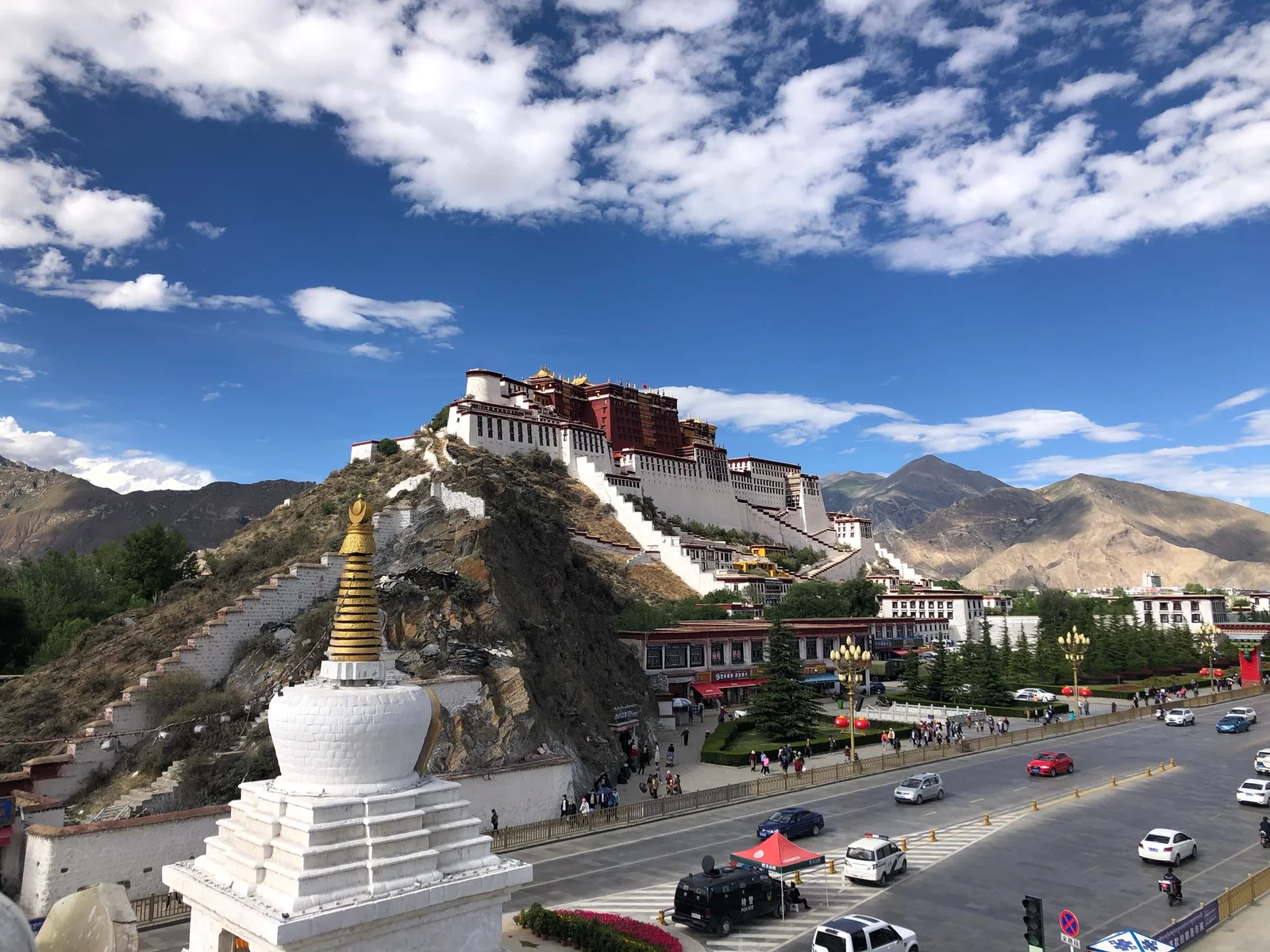
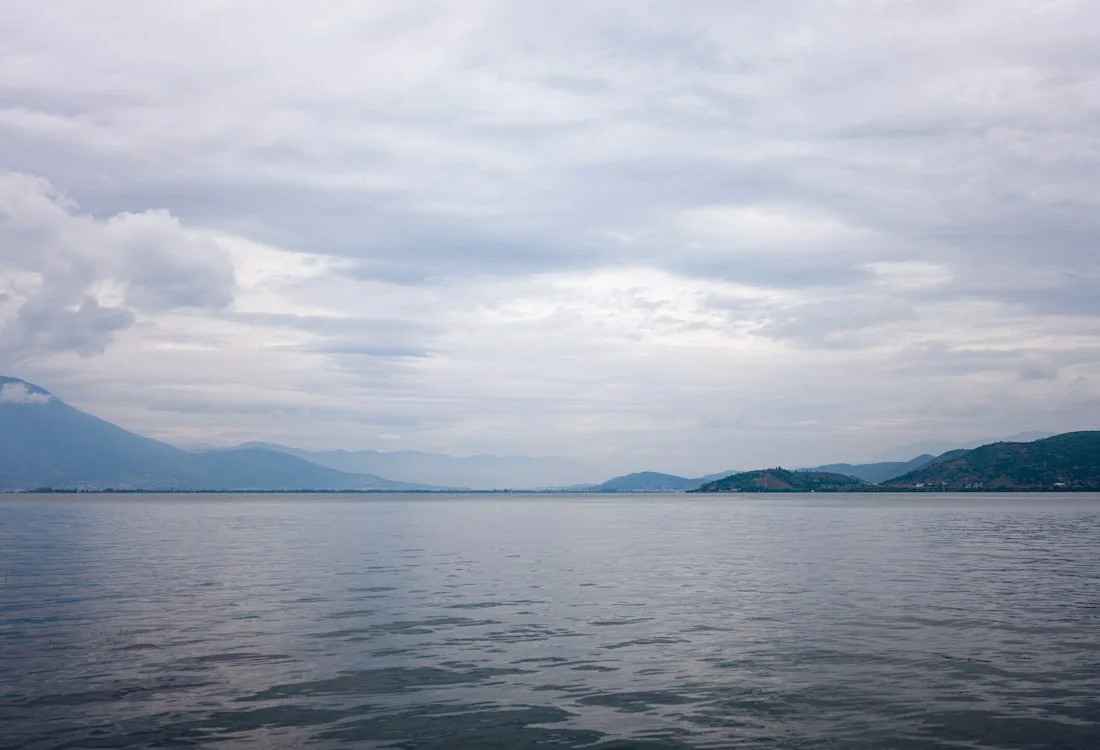
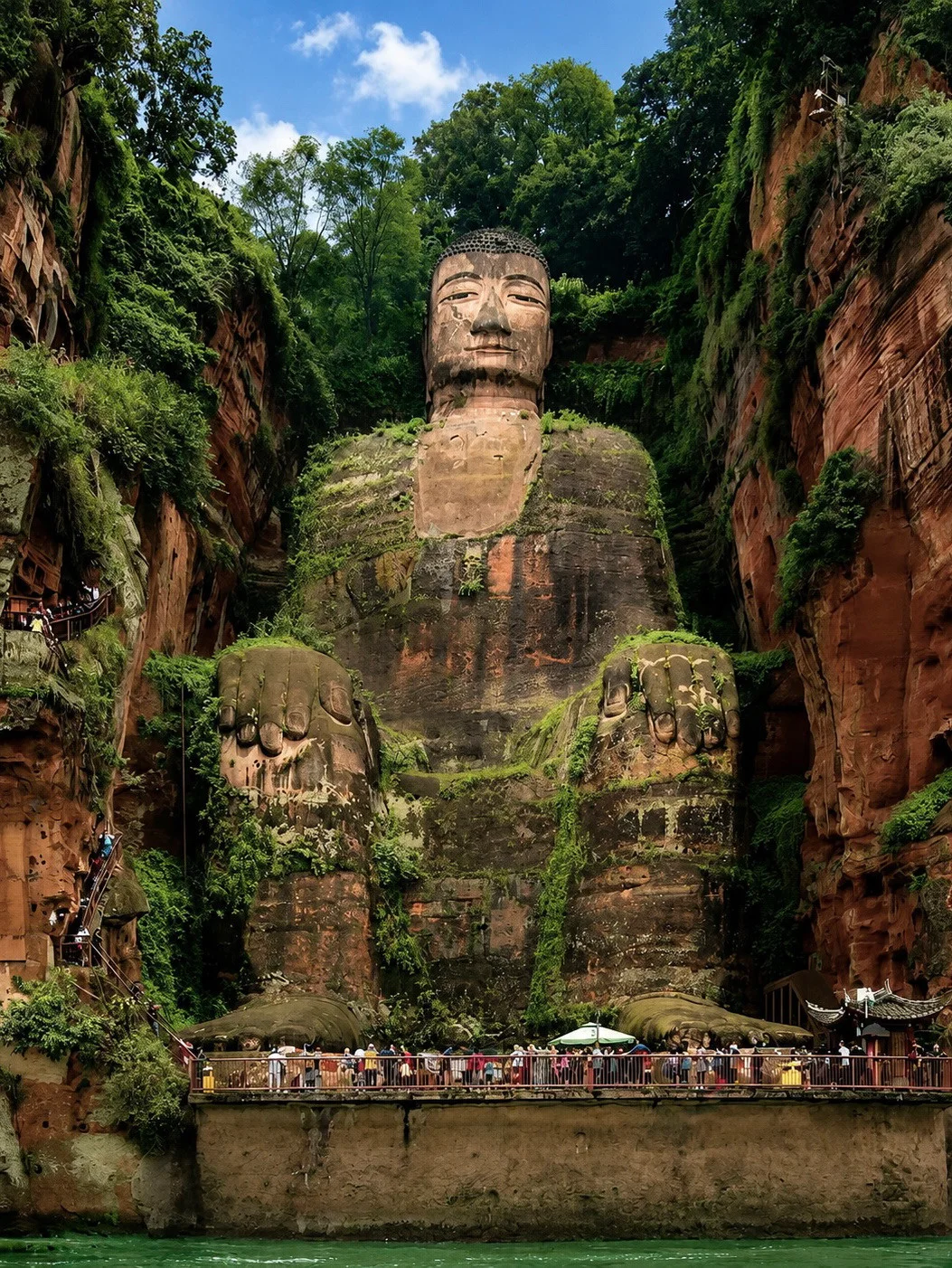
Landscape contrasts
Lakes, mountains and desert-edge towns give each part of Xinjiang a distinct mood.
 WANDERCHINA
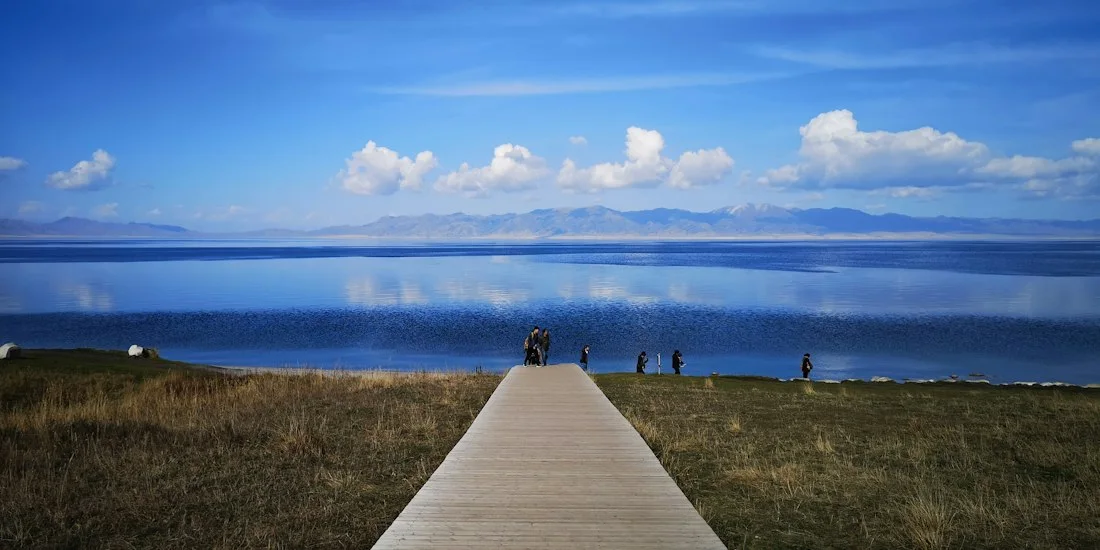
Blue lakes, oasis towns and the aroma of fresh nang.
Choose Kashgar for old-city lanes and living cultural detail, or Turpan for Jiaohe and oasis history. They are separate regional bases; plan the intercity journey before combining both.
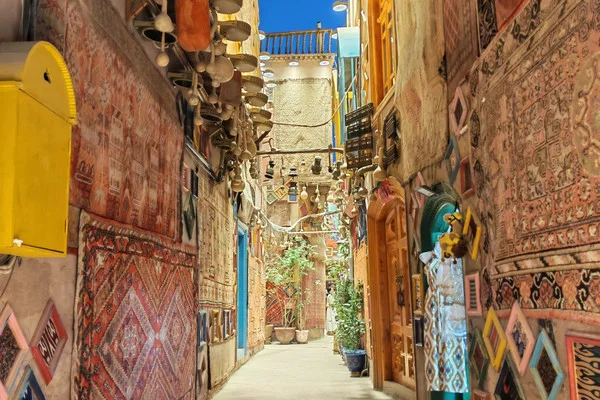
Old-city lanes & everyday exchanges
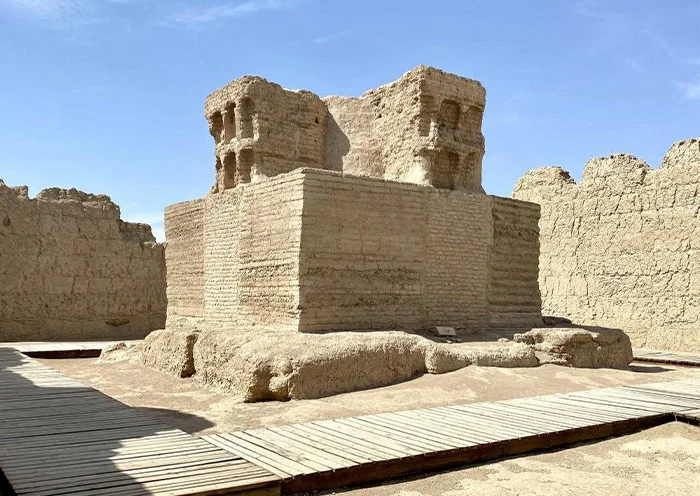
Jiaohe ruins & oasis history
Stay lengths are suggestions for each city, excluding long-distance transfers.
Xinjiang is a region of striking contrasts and great distances. Lake shores and grasslands in the north and west offer a very different journey from the oasis towns of the south. Choose a geographical focus first, then give it time to unfold.
At Sayram Lake, the horizon feels unusually wide. In Kashgar, your attention moves closer: a carved doorway, a bakery counter, the texture of a piece of bread. The appeal of Xinjiang lies in these changes of scale, from immense landscapes to the detail of daily life.
There is no single route that captures all of Xinjiang. A trip centered on lakes and grasslands should feel different from one following oasis history. Leave space for conversations and meals, and ask before photographing people or entering religious spaces.
Lakes, mountains and desert-edge towns give each part of Xinjiang a distinct mood.
Look closely at bread-making, market displays and architectural details.
A focused journey can be more rewarding than trying to cross the whole region.
Start with the landmarks. Leave room to wander.
A wide blue lake framed by mountains invites you to pause along its shore. Plan around conditions and approved visitor areas; the light and color change through the day.
Explore lanes, shopfronts and local food in this Silk Road city. Make time for the contemporary neighborhood as well as its architectural character; it is a lived-in place, not only a backdrop.
Earthen walls and the outlines of old streets reveal a city adapted to an arid landscape. Give the ruins their own outing and plan outdoor time around local heat and conditions.
Check opening times and reservation requirements with each attraction before visiting.
Let meals tell you something about the place. Start with a familiar ingredient, then try a local preparation. These are examples of regional food traditions, not a fixed menu; recipes and availability vary by town and kitchen.

Rice, carrots and meat come together in a generous, savory dish. Look for the contrast between tender grains and the sweetness of the carrots; preparations differ between kitchens.
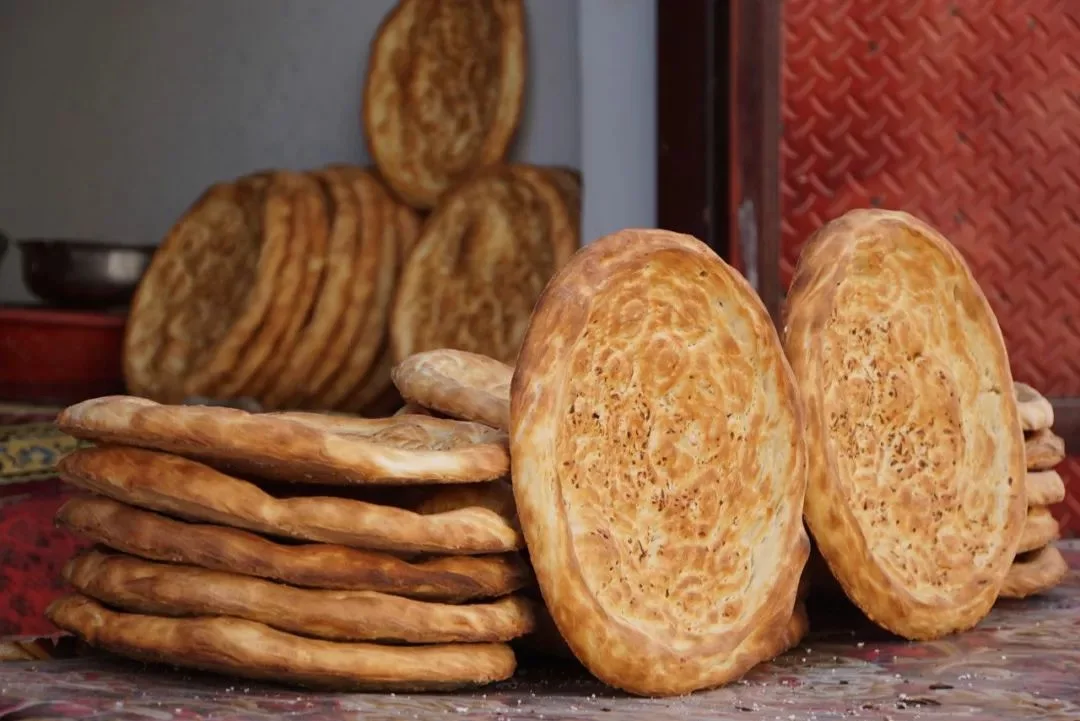
A patterned crust and a chewy center make nang a memorable everyday bread. Try it fresh and notice the differences in thickness, seeds and seasoning from bakery to bakery.
Recipes vary. Let the restaurant know about allergies, dietary needs and your preferred spice level.
Further reading: destination guide ↗A multi-day planning framework, not a one-day route or bookable package. Select your bases and allow time for transfers.
Decide between a lake-and-grassland journey and an oasis-city journey before choosing individual stops.
Use several nights in a base when practical. Treat Sayram Lake, Turpan and Kashgar as widely separated options, not neighboring sights.
Build in transfer time and confirm transport, accommodation eligibility and any local access arrangements before travel.
Distances are substantial. Foreign visitors should confirm current local access rules, identity checks and accommodation arrangements, especially for border areas. Plan with the exact places you wish to visit rather than assuming one rule covers the region.
Current regional travel guidance ↗The pin marks an approximate reference point within the region, not its boundary or a meeting point.
Tell us what you would love to see, taste and experience.