Two riverbanks, many eras
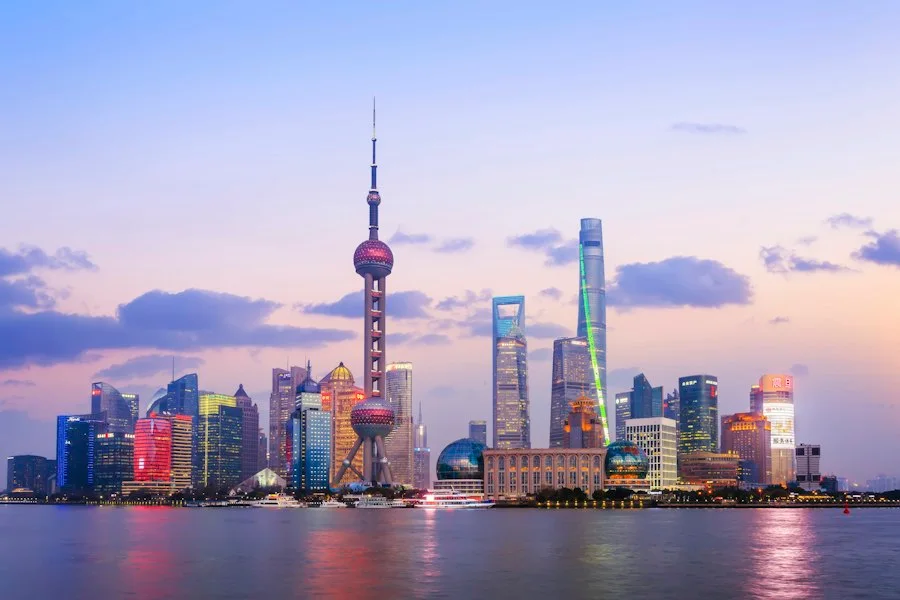
The Bund offers a striking conversation between historic waterfront architecture and the towers across the river.
 WANDERCHINA
Riverside skylines meet leafy neighborhood lanes.
Set beside the Huangpu River near the Yangtze estuary, Shanghai is a city of contrasts: historic waterfront buildings, soaring towers and leafy residential streets. Discover its character through architecture, neighborhood walks and the gentle sweetness of local cooking.
Shanghai makes a spectacular first impression across the Huangpu River, but its character emerges at street level. A grand facade gives way to a narrow lane; a busy junction leads to a shaded stretch of pavement. You can spend the morning looking up at buildings and the afternoon noticing doorways, balconies and the tiny details of a neighborhood.
Let contrasts shape the visit. Move from the composed views of a classical garden to the broad riverfront, or from a simple breakfast counter to a long evening walk. Shanghai is especially appealing when you stop treating it as a skyline to photograph and start exploring it as a collection of neighborhoods.
Shanghai’s contrasts are often clearest on foot: the open waterfront of the Bund, the enclosed compositions of Yuyuan and the tree-lined streets around Wukang Road offer three different experiences of urban space. Look at entrances, balconies and ground-floor shops as well as the skyline.
Choose one area for a longer walk instead of moving across the city for every meal and photograph. A garden visit followed by noodles or pan-fried buns makes a compact outing; the waterfront can become a separate evening chapter. Leave an unscheduled hour to follow a street that catches your attention.
The Bund offers a striking conversation between historic waterfront architecture and the towers across the river.
Around Wukang Road, changing building styles and leafy streets reward looking closely rather than moving quickly.
A crisp-bottomed bun or a fragrant bowl of scallion noodles can be as memorable as a landmark view.
Start with the landmarks. Leave room to wander.
Walk the waterfront for a conversation between historic facades and the modern skyline.
Walk along the Bund slowly enough to look in both directions: toward the architectural details of the historic buildings and across the water to Pudong. Revisiting around dusk gives the same scene a very different mood as daylight softens and the city begins to glow.
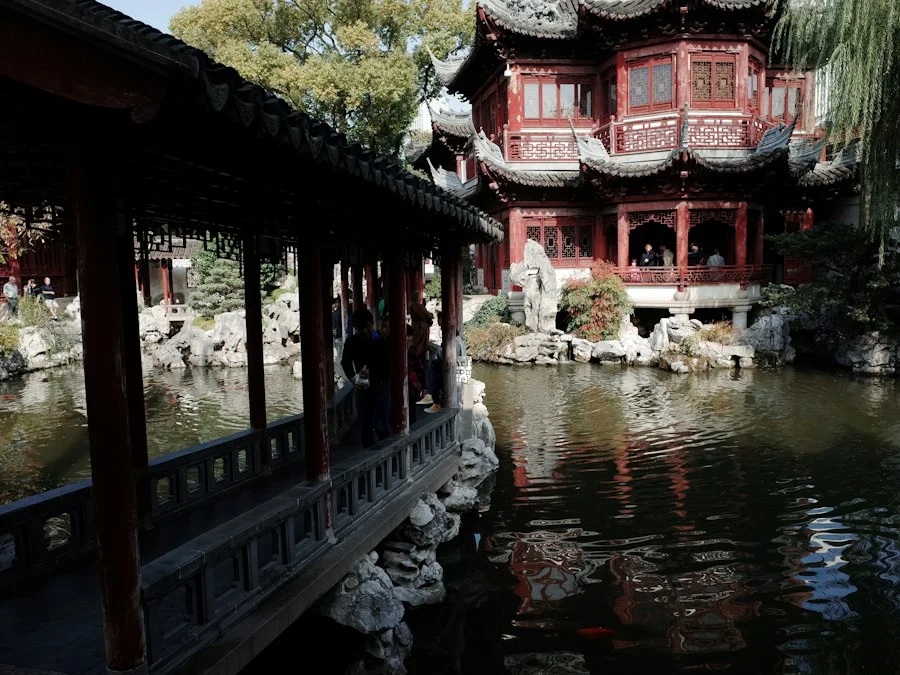
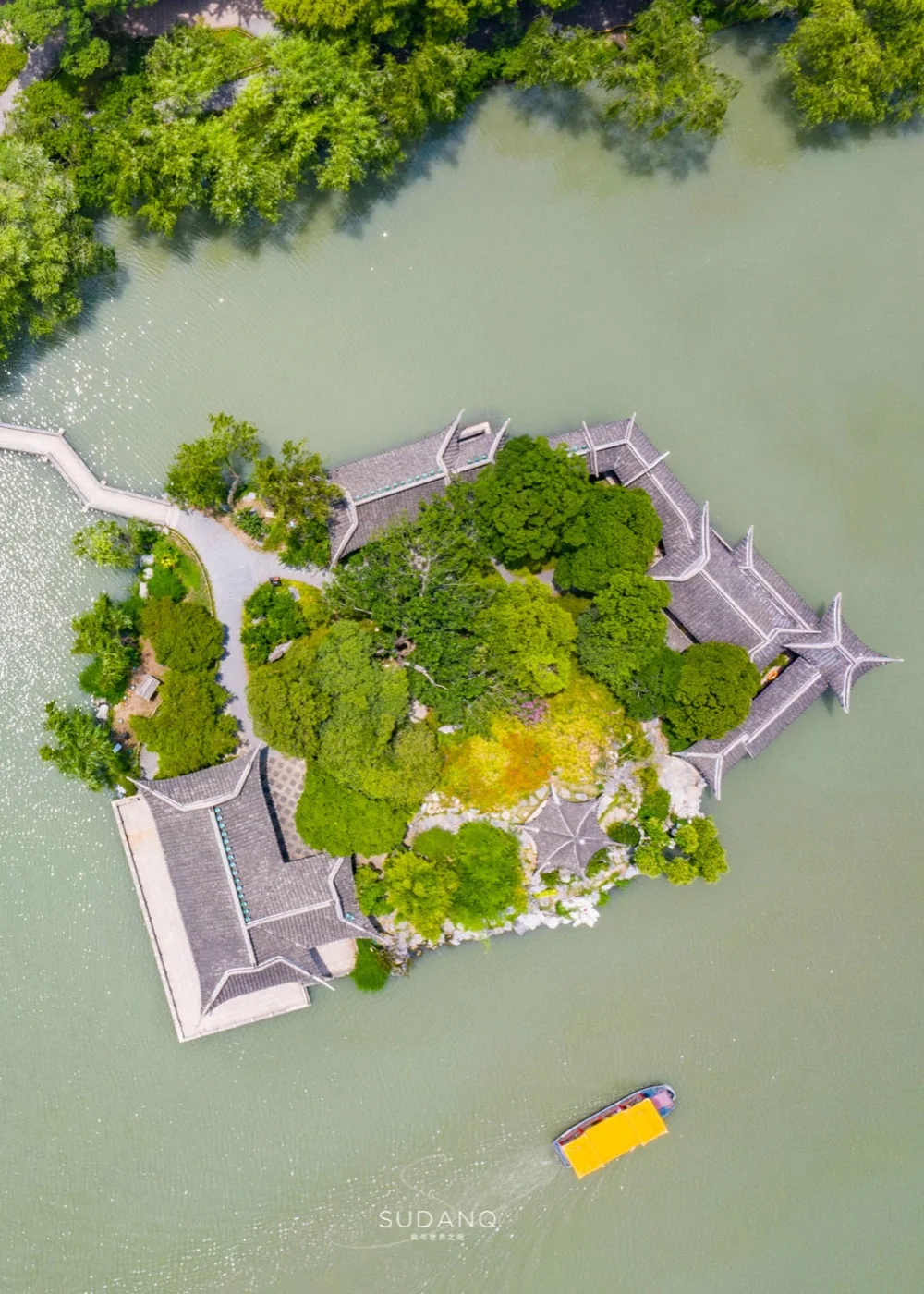
Discover classical garden design through framed views, rocks and winding paths.
Inside Yu Garden, look for the way rocks, water, corridors and openings frame each other. A short distance can reveal several different compositions. The surrounding shopping area has a livelier pace; distinguish time in the garden from time browsing outside it.
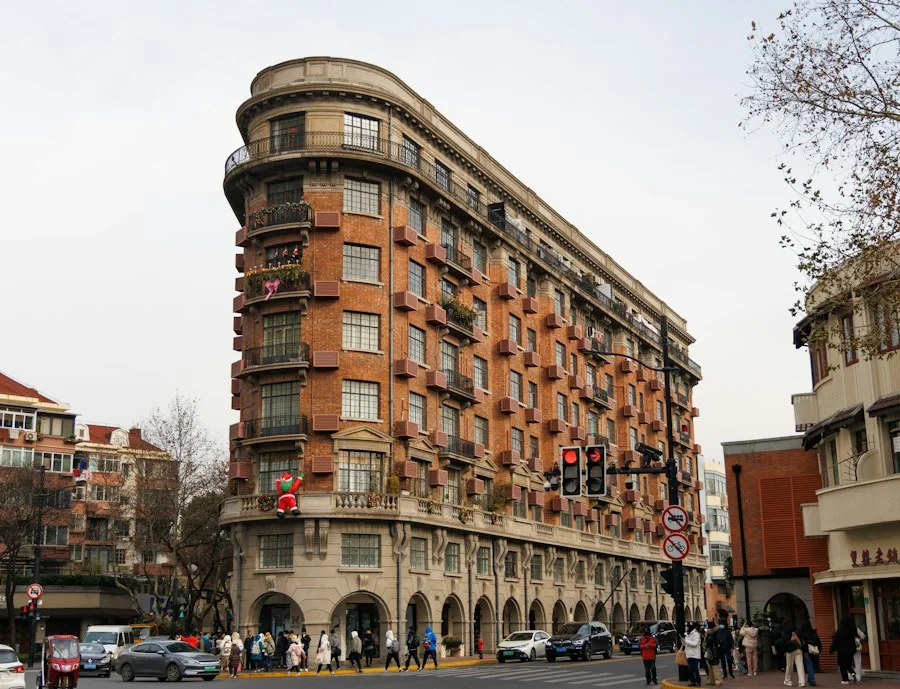
Explore tree-lined streets and distinctive neighborhood architecture on foot.
The Wukang Building is a recognizable starting point, but the surrounding streets are the real invitation. Notice brickwork, balconies and different rooflines. Many buildings remain homes, so appreciate them from public streets and keep doorways clear.
Check opening times and reservation requirements with each attraction before visiting.
Make breakfast part of the trip. Shengjian brings crisp, soft and juicy textures into one bite; scallion noodles let aroma take the lead. Order a little at a time when exploring, so there is room to follow your curiosity into another small shop later.

Pan-fried buns with a crisp base and a juicy filling, often pork. The hot broth inside makes a small first bite a good idea.

Noodles coated in aromatic scallion oil and a savory sauce. A simple dish that puts fragrance and texture at the center.
Recipes vary. Let the restaurant know about allergies, dietary needs and your preferred spice level.
Further reading: local food ↗An editorial itinerary idea, not a timed tour or a bookable package. Adapt it to reservations, weather, transport and your energy.
Start around Yu Garden, taking time for framed views and a simple local meal. Keep browsing in the surrounding streets optional.
Travel to the Wukang Road area for an architecture walk. Choose a few streets and a place to sit rather than covering a huge circuit.
Head to the Bund as evening approaches. Give yourself time simply to watch the river and the changing light.
Shanghai’s neighborhoods are not all within walking distance of one another. Combine short walks with public transport, and choose one area for a deeper afternoon. If you prefer art, design or food to major sights, tell us and we can shape the inquiry around those interests.
Shanghai heritage streets guide ↗Locate the city and explore the surrounding area. Open Google Maps for a closer look.
Tell us what you would love to see, taste and experience.