Architecture with meaning
Go beyond the silhouette to learn what a place represents.
 WANDERCHINA
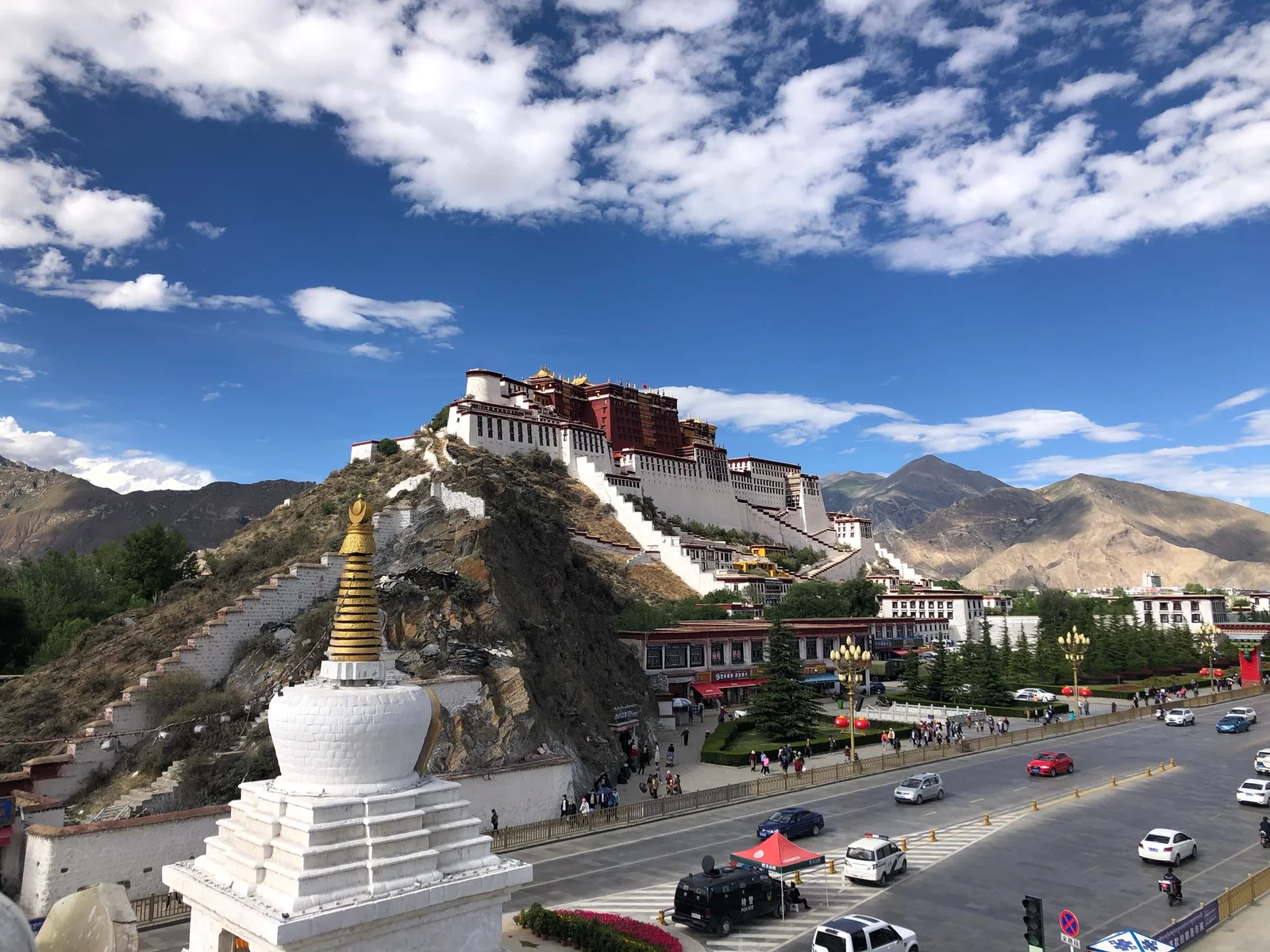
Palace silhouettes, living traditions and luminous lakes.
The current starting guide is Lhasa, focused on the palace, Jokhang and Barkhor area. Build a measured cultural stay and confirm the travel arrangements for your itinerary before adding other destinations.
Stay lengths are suggestions for each city, excluding long-distance transfers.
This guide introduces the Tibet Autonomous Region, beginning with Lhasa and selected surrounding landscapes. A rewarding journey combines cultural understanding with careful preparation for permits, altitude and the distances between places.
Lhasa asks for attention as much as admiration. The Potala Palace gives the city a remarkable silhouette, while the streets around the Jokhang reveal movement, devotion and everyday exchange. Take time to understand the places you enter rather than treating them only as images.
Outside the city, the plateau brings a different scale: a lake shore, a mountain pass, a long view across open land. These are not casual extensions to a full city day. Shape the trip around an authorized itinerary and a pace that leaves room to rest.
Go beyond the silhouette to learn what a place represents.
Respectful observation matters more than collecting photographs.
Open landscapes invite a slower and more deliberate journey.
Start with the landmarks. Leave room to wander.
The red-and-white palace dominates Lhasa’s skyline. Learn about its religious and historical significance, and confirm reservations and permitted visiting arrangements with your operator.
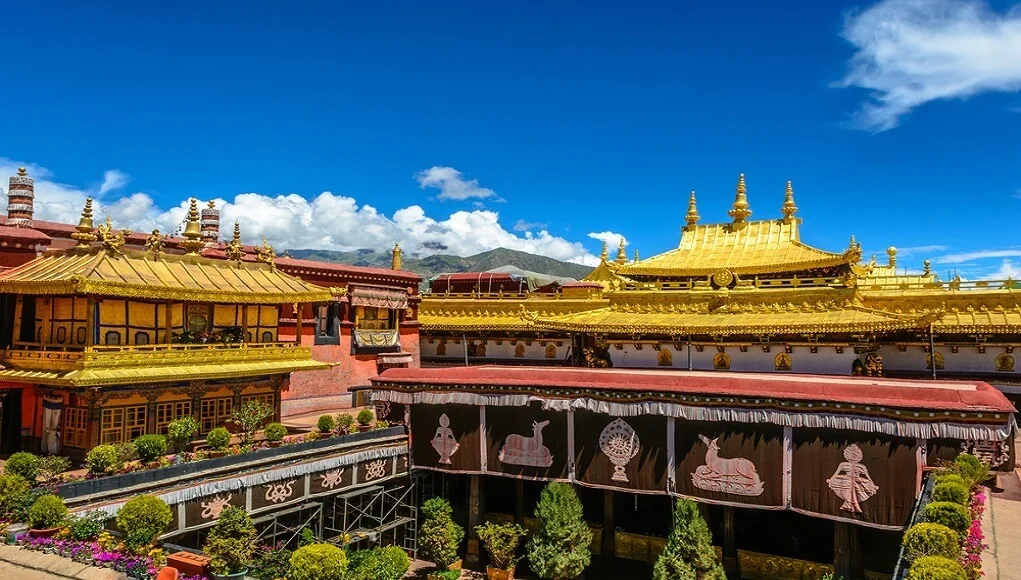
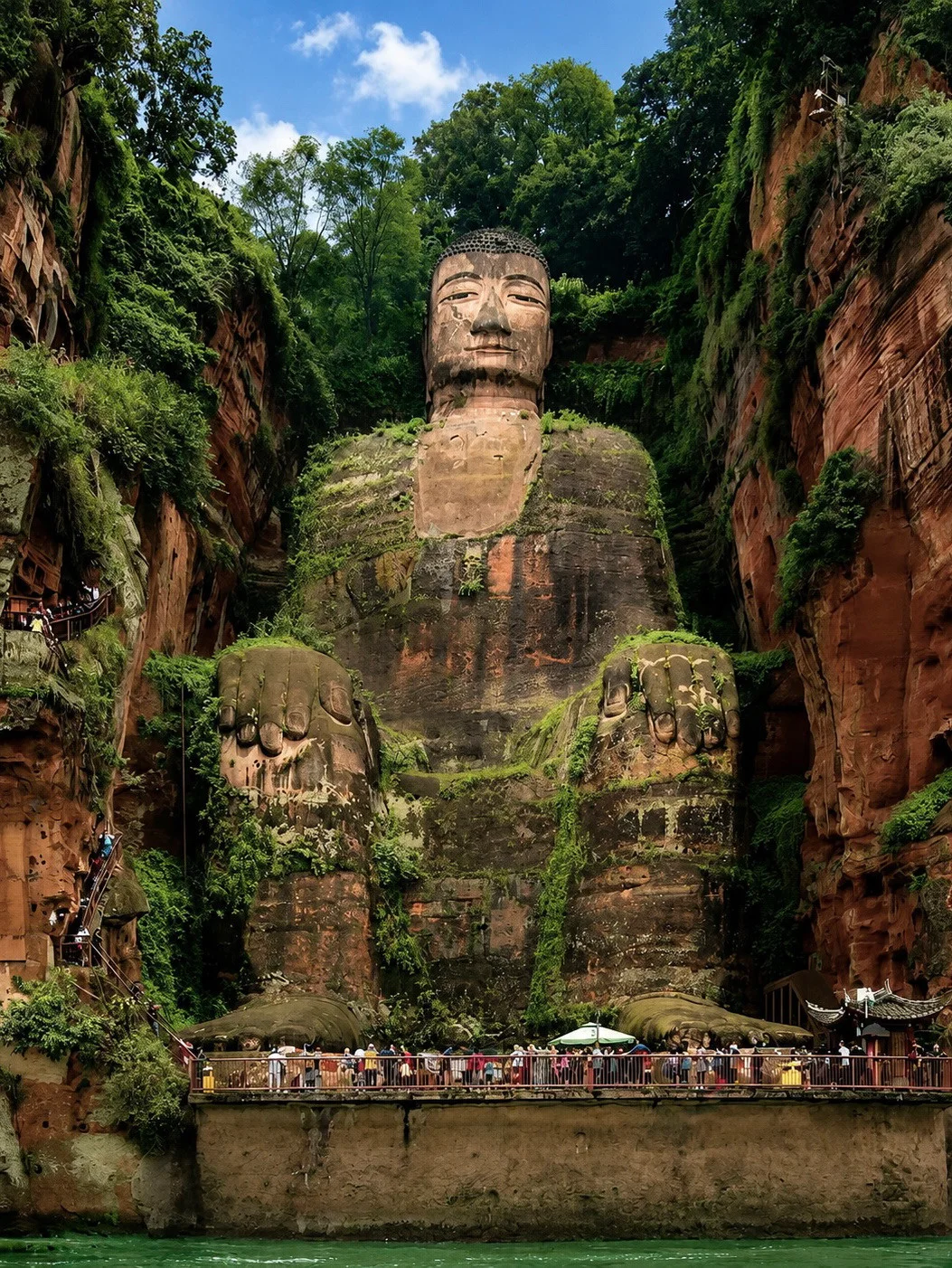
A sacred setting and surrounding streets show the continuity of Tibetan religious life. Observe respectfully, avoid blocking worshippers and follow site photography rules.
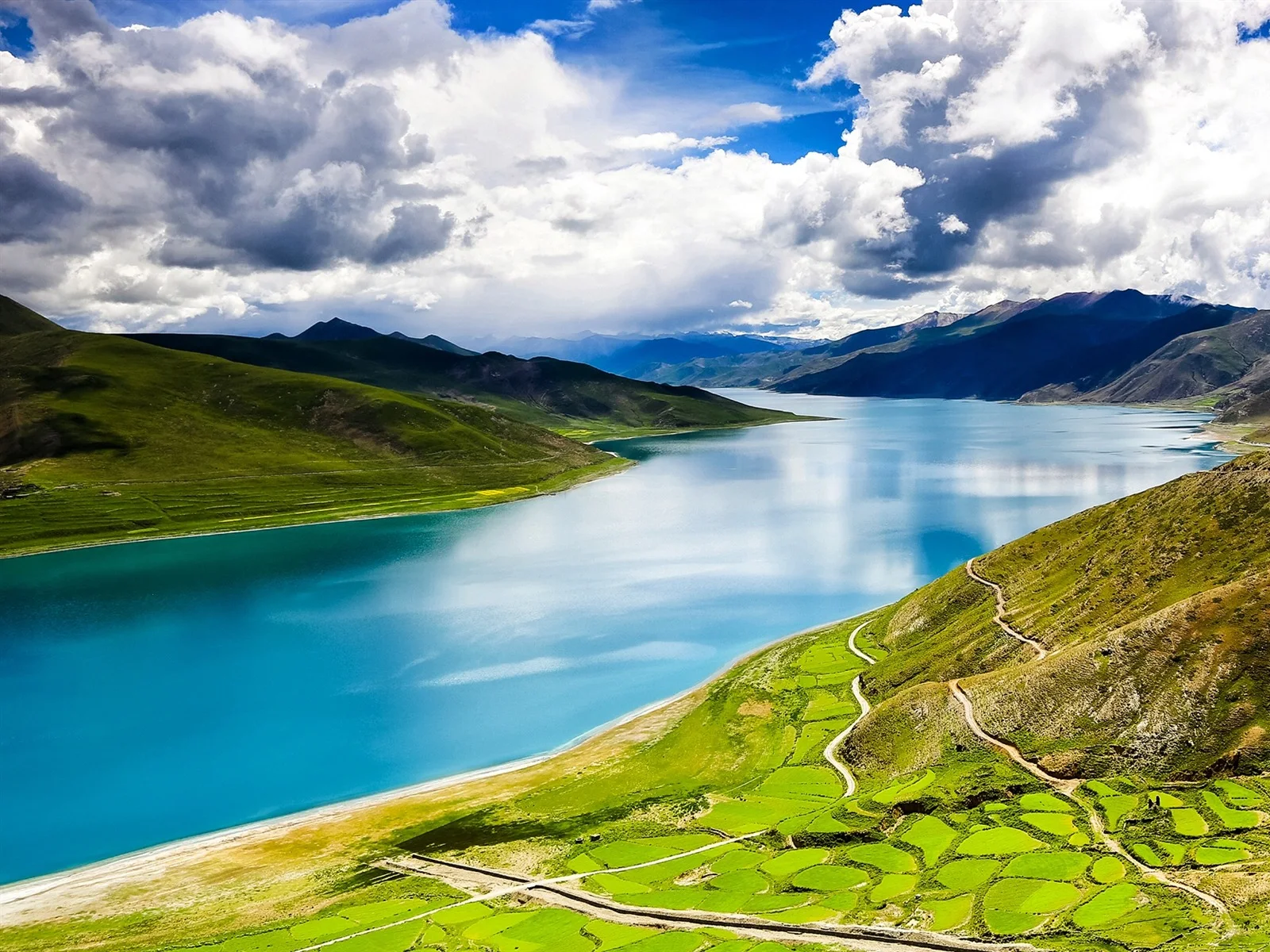
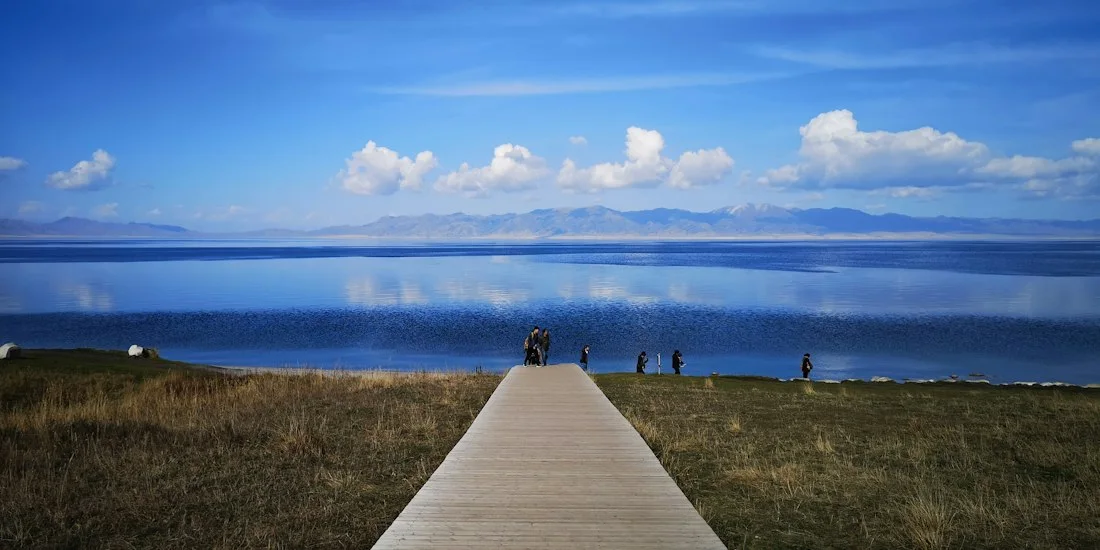
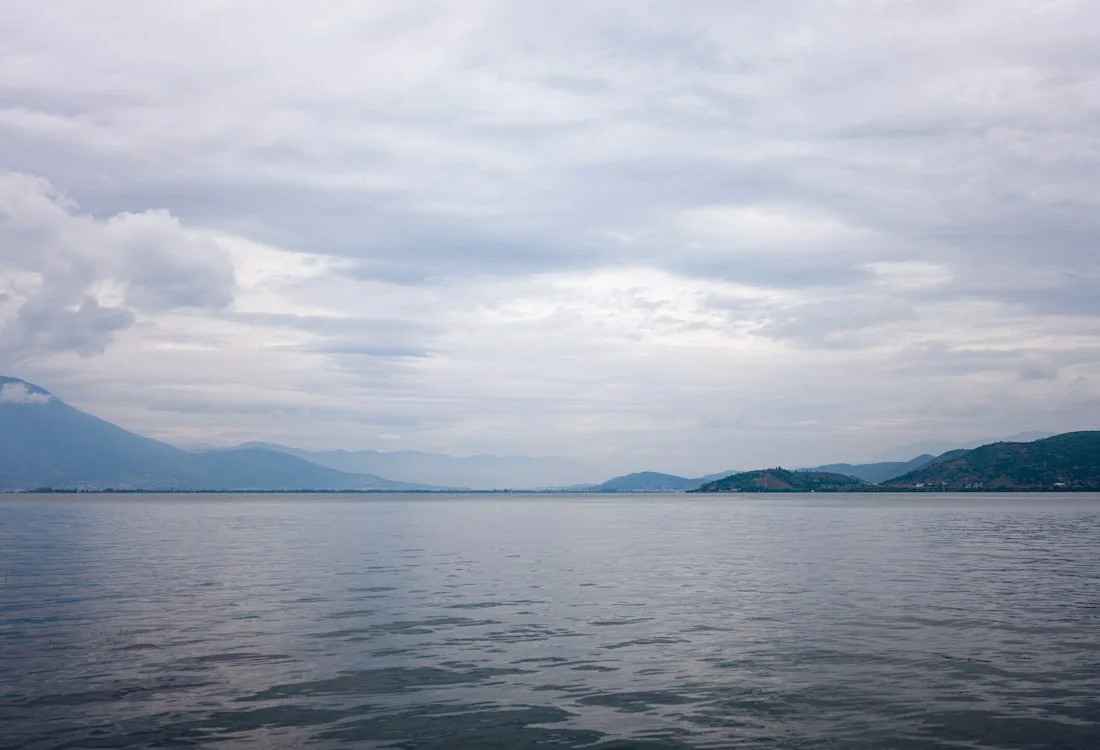
A broad blue lake folds between hills on the plateau. Visit only as part of an appropriately arranged route; the drive, elevation and weather deserve their own planning.
Check opening times and reservation requirements with each attraction before visiting.
Let meals tell you something about the place. Start with a familiar ingredient, then try a local preparation. These are examples of regional food traditions, not a fixed menu; recipes and availability vary by town and kitchen.
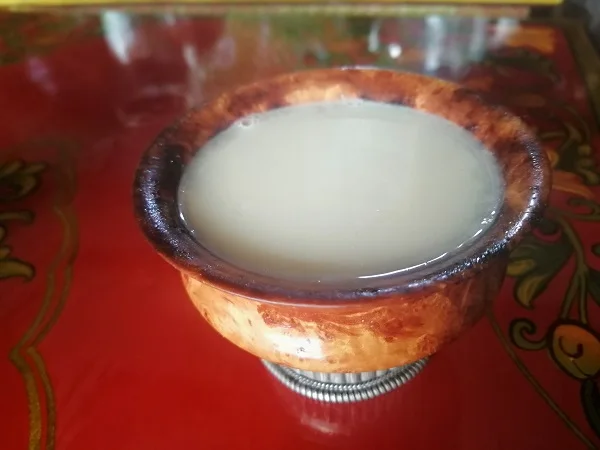
Tea, butter and salt create a savory drink associated with Tibetan food traditions. Sip slowly: the flavor is quite different from a sweet milk tea.
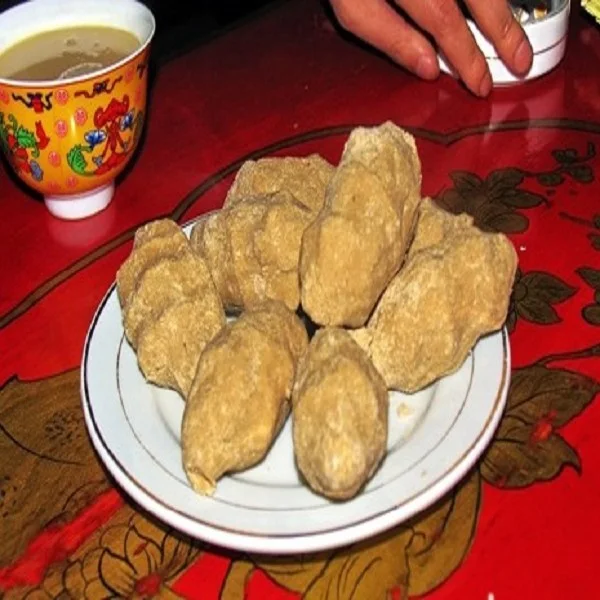
Roasted barley flour is a staple of Tibetan food traditions, commonly mixed with tea and other ingredients. Ask your host or server how their version is prepared.
Recipes vary. Let the restaurant know about allergies, dietary needs and your preferred spice level.
Further reading: destination guide ↗A multi-day planning framework, not a one-day route or bookable package. Select your bases and allow time for transfers.
Foreign tourists need a Tibet travel permit arranged through a specialist travel agency. Confirm the approved itinerary before booking dependent transport.
Allow rest and avoid filling the arrival day with sightseeing. Schedule cultural visits around your arranged access and how you feel.
Consider a lake or other excursion only within the permitted itinerary, with enough time for travel and rest.
A standard China entry permission does not replace the Tibet travel permit. Foreign tourists should arrange access through a specialist agency and verify the rules for their nationality and route. High altitude requires careful preparation; consult a qualified clinician about individual suitability before travel.
Current entry and regional travel guidance ↗The pin marks an approximate reference point within the region, not its boundary or a meeting point.
Tell us what you would love to see, taste and experience.