01 / EXPLORE
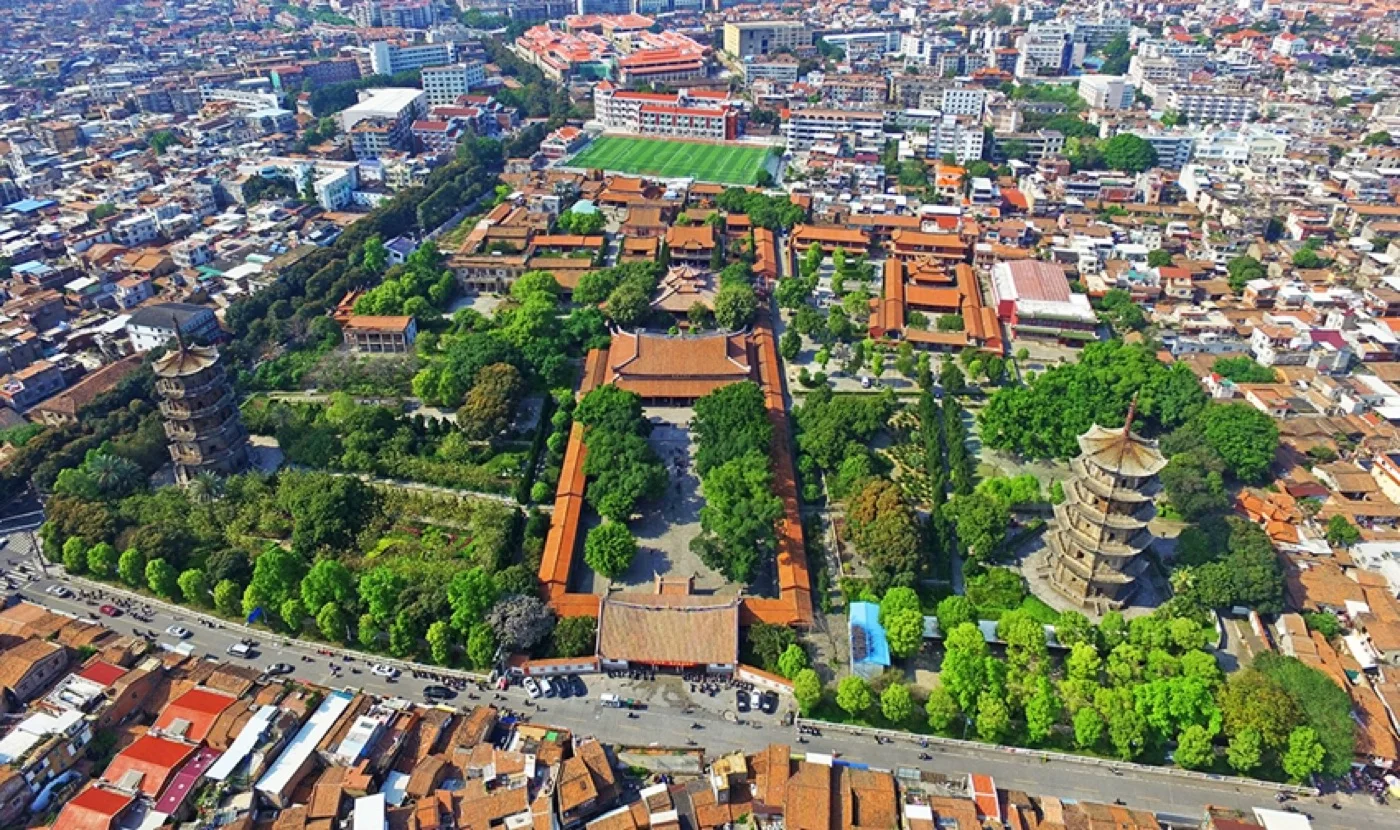
Kaiyuan Temple
Pause beneath the temple’s trees and look closely at its stone pagodas and architectural details. Respect worshippers and the religious setting.
 WANDERCHINA
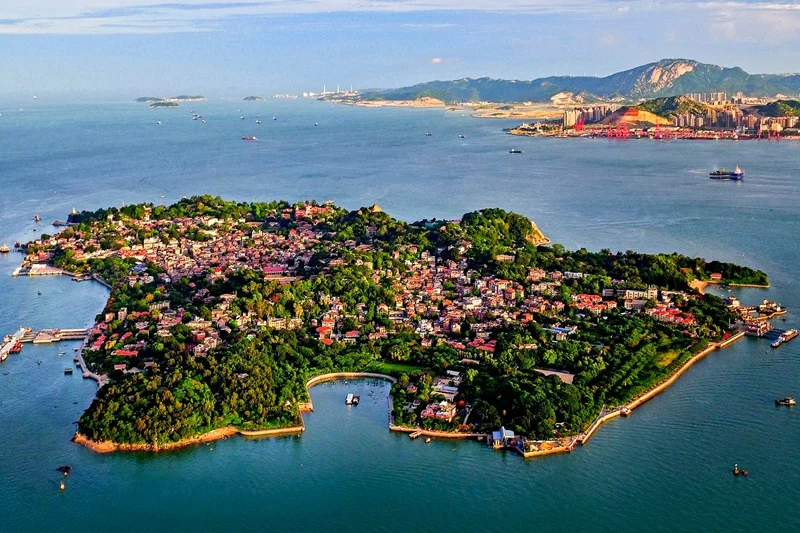
Quanzhou brings the history of maritime exchange into a walkable old-city setting. Temple towers, stone gateways and everyday food stalls reveal a port city shaped by many communities.
Look beyond the major monuments to the details between them: red-brick walls, carved stone and neighborhood shops. The wider heritage landscape extends beyond the old town, so choose a focused route for a first visit.
Kaiyuan Temple and Qingjing Mosque offer different architectural expressions within the same historic city. Comparing their materials, carved surfaces and spatial arrangements can make Quanzhou’s maritime story more tangible. Let the streets between them remain part of the visit, rather than treating each site as an isolated object.
Choose a small group of nearby places and allow food stops to connect them. A bowl of mianxianhu offers a softer pause between walks, while an oyster omelet adds a different texture later. The wider heritage landscape can be explored on another outing without turning the first day into a city-wide dash.
Pause beneath the temple’s trees and look closely at its stone pagodas and architectural details. Respect worshippers and the religious setting.
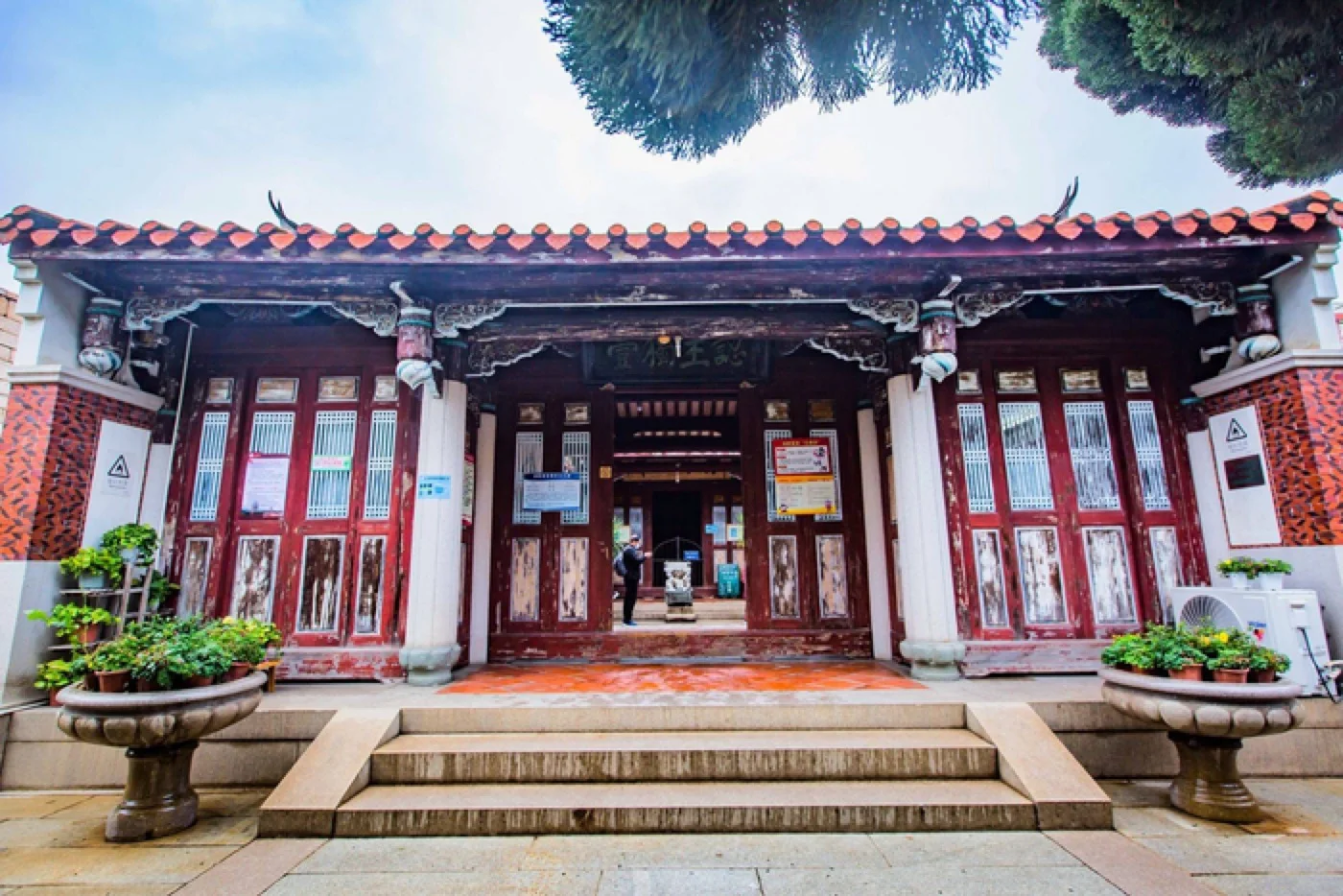
The mosque’s stone architecture offers another perspective on Quanzhou’s historic maritime connections. Follow the site’s visitor guidance.
These foods are part of the wider region’s traditions; availability and recipes vary by restaurant.
Fine wheat noodles form a soft, warming soup with a choice of toppings. Ask what is in the broth and choose additions to suit your taste.
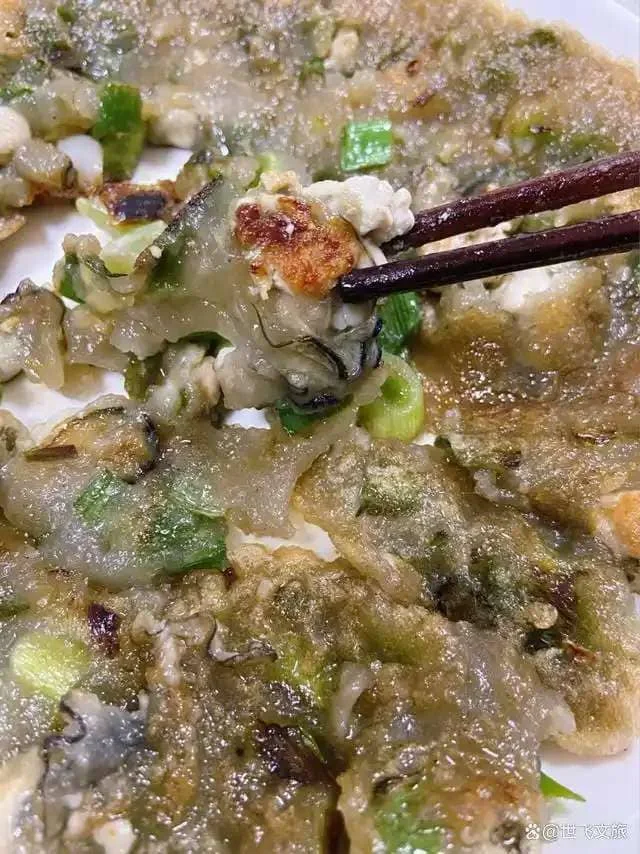
Small oysters and a starch-based batter are pan-fried into a savory Minnan dish. The balance of crisp edges and soft filling varies by cook.
UNESCO: Quanzhou maritime heritage ↗
Locate the city and explore the surrounding area. Open Google Maps for a closer look.