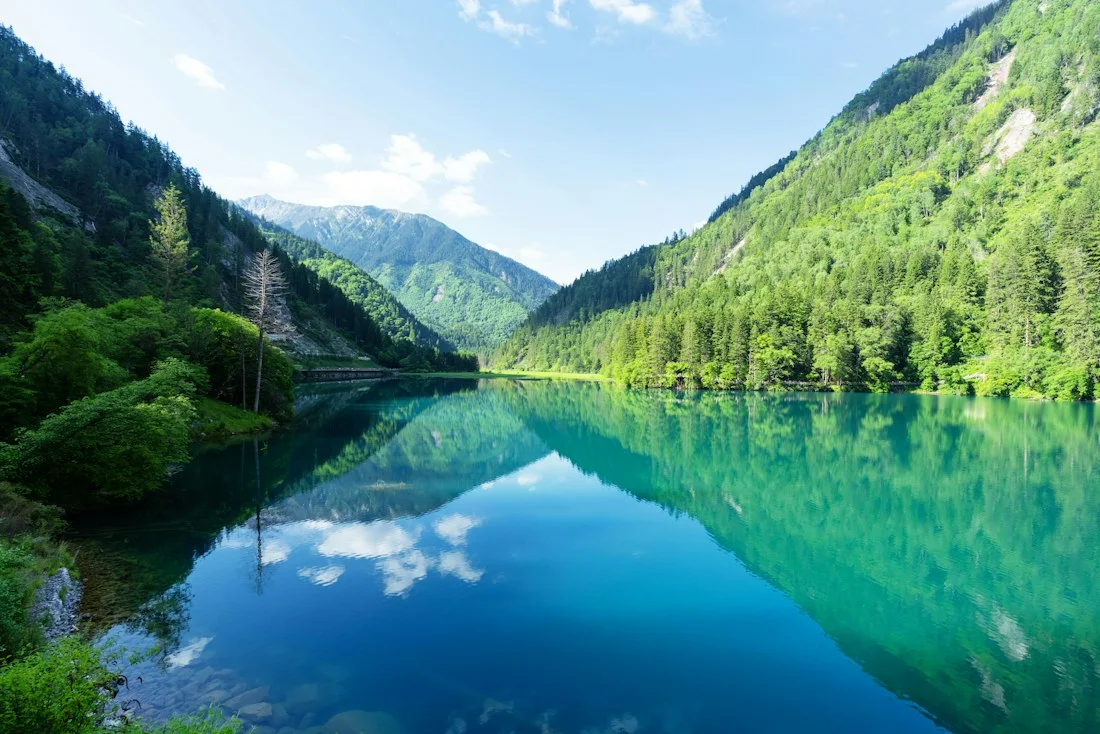
Heritage in the landscape
River engineering and religious monuments show different ways of shaping a place.
 WANDERCHINA
From Chengdu’s teahouses to river-carved heritage.
Choose Chengdu for food and easy city days; Leshan or Dujiangyan for focused cultural outings; Emeishan for a mountain stay. Kangding suits a valley-town base. For Jiuzhaigou and Huanglong, continue through the Aba guide and plan a separate mountain stage.

Pandas, park tea & Sichuan food
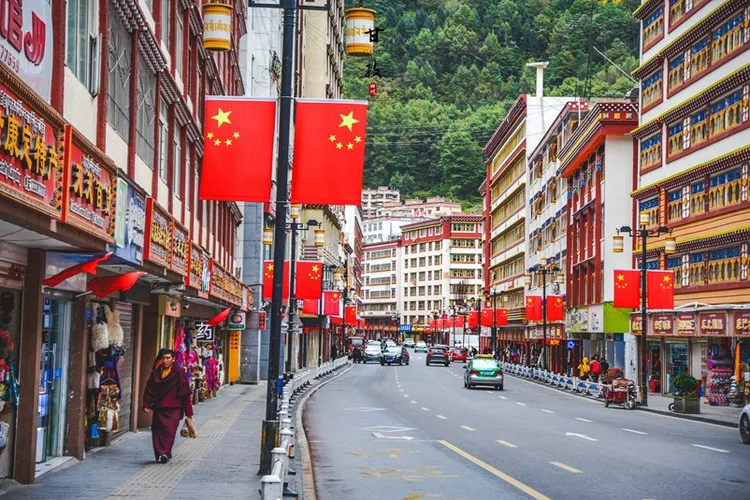
Valley-town walks & mountain scenery
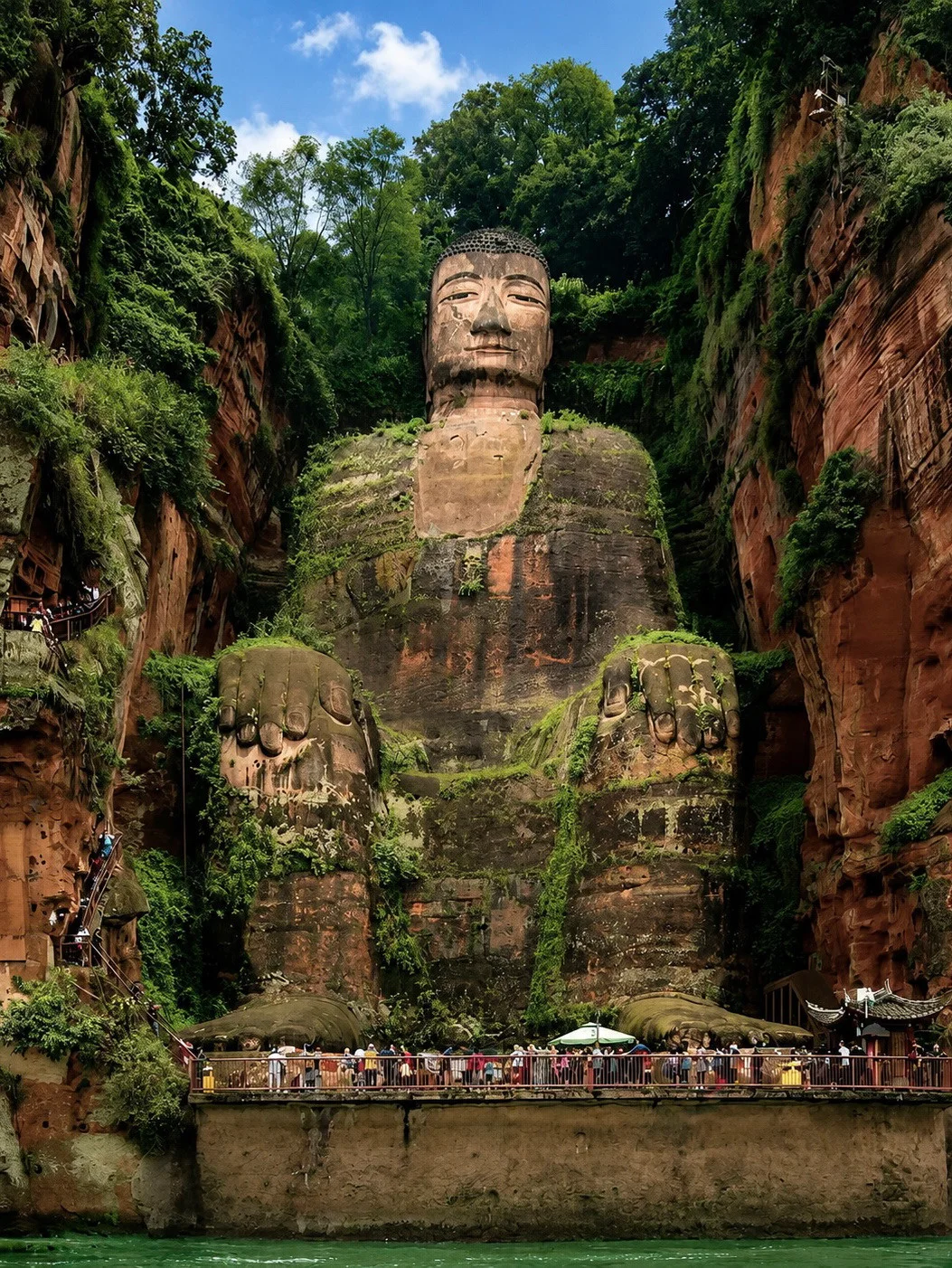
Giant Buddha & riverside life
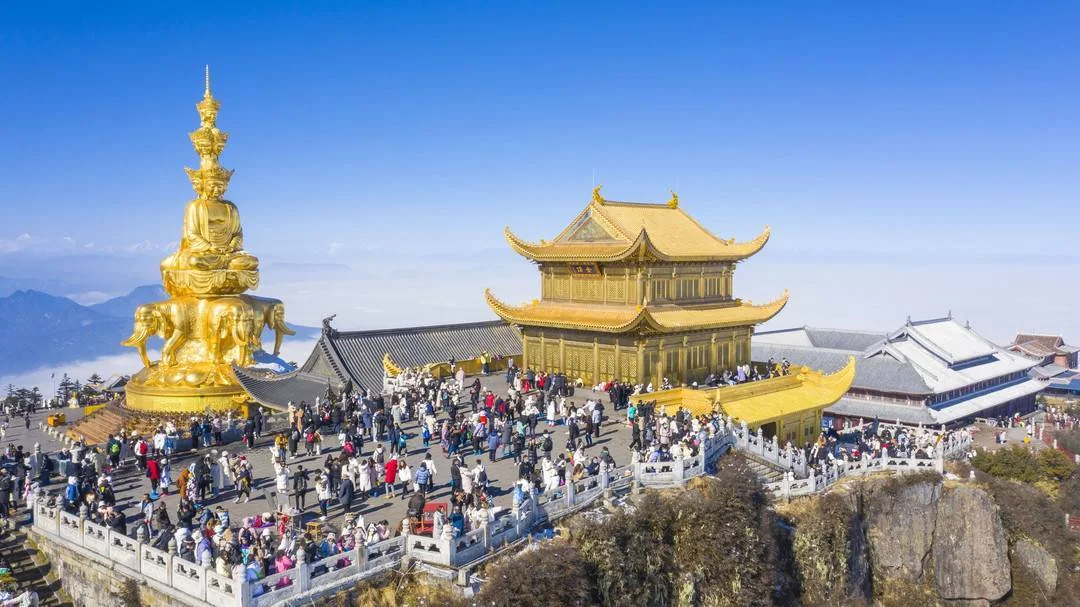
Forests, temples & mountain views
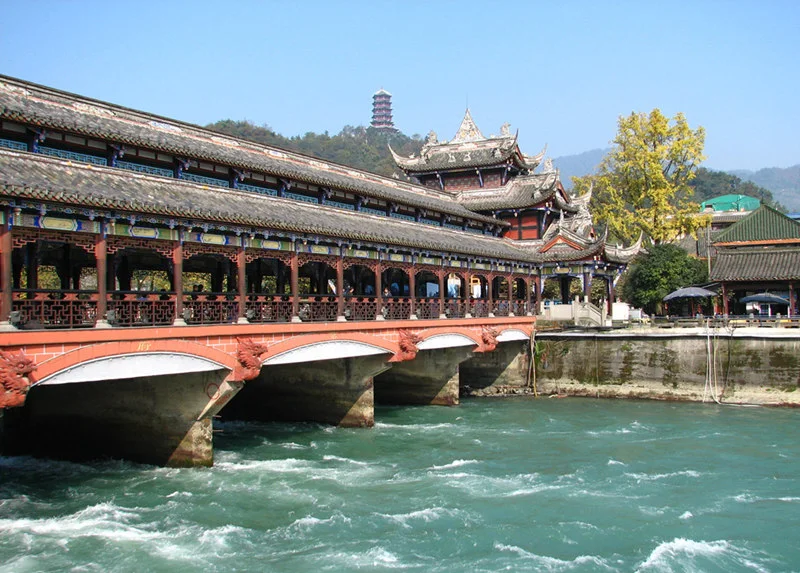
Water engineering & a slower city day
Stay lengths are suggestions for each city, excluding long-distance transfers.
Sichuan is the wider provincial guide connecting Chengdu with cultural and natural excursions. Start with the basin and its heritage sites, then use the separate western Sichuan and Aba guides if you want a highland journey.
A Sichuan journey can begin with the small pleasures of Chengdu and grow outward: a river engineered to nourish a plain, a monumental Buddha beside the water, a mountain shaped by centuries of pilgrimage. These places reveal different relationships between landscape and human life.
There is no need to turn every visit into a high-altitude road trip. A thoughtful route through Chengdu, Dujiangyan and the Leshan–Emei area can be rich in history, food and changing scenery. Choose depth in one part of the province before adding another.
River engineering and religious monuments show different ways of shaping a place.
Small noodle shops and shared meals deserve space between excursions.
The provincial guide helps you decide whether to stay in the basin or plan a separate highland journey.
Start with the landmarks. Leave room to wander.
A monumental cliff-carved Buddha overlooks the river setting. Land and boat viewing are different experiences; confirm current access and choose the approach that suits your visit.
Forested slopes, religious buildings and high mountain viewpoints create a layered journey. Choose the level of walking and transport in advance; summit weather may differ sharply from the foothills.
Explore the landscape of an enduring irrigation system. Look at how channels and river structures work together, and give the engineering story as much attention as the scenic setting.
Check opening times and reservation requirements with each attraction before visiting.
Let meals tell you something about the place. Start with a familiar ingredient, then try a local preparation. These are examples of regional food traditions, not a fixed menu; recipes and availability vary by town and kitchen.

Soft tofu, chili and Sichuan pepper deliver contrasting textures and aromas. Traditional versions often contain minced meat, so ask if you need a vegetarian preparation.

A small bowl with a big personality: wheat noodles, a savory dressing and often a little chili heat. Mix thoroughly before the first bite.
Recipes vary. Let the restaurant know about allergies, dietary needs and your preferred spice level.
Further reading: destination guide ↗A multi-day planning framework, not a one-day route or bookable package. Select your bases and allow time for transfers.
Begin with city life and meals, then choose the heritage excursions you care about most.
Dujiangyan can be a separate outing; Leshan and Emei deserve their own allocation of travel and overnight time.
Use the Aba or western Sichuan guide for a separately planned extension, not an automatic addition to a short city break.
This provincial page overlaps geographically with Chengdu, Aba and western Sichuan but serves as an orientation guide. Pick one main travel corridor and verify connections before combining areas.
UNESCO: Mount Emei and Leshan Giant Buddha ↗The pin marks an approximate reference point within the region, not its boundary or a meeting point.
Tell us what you would love to see, taste and experience.