History you can walk through
Palace courtyards and the Great Wall turn familiar images into places with texture, scale and a sense of distance.
 WANDERCHINA
Ancient walls, hidden hutongs, endless stories.
China’s capital brings together imperial palaces, formal gardens and an ever-changing modern city. Its broad avenues reveal one side of Beijing; the hutongs reveal another, with courtyard homes and small neighborhood shops. Let a landmark visit anchor your day, then explore the streets around it.
Your first impression of Beijing may be its scale: walls that seem to stretch forever, vast courtyards and rooftops arranged with extraordinary precision. Then you turn into a hutong. The street narrows, a bicycle passes, and lunch is being prepared behind an open doorway. This movement between the monumental and the personal is what makes the capital so rewarding.
Give the famous places your attention, but save some curiosity for the spaces between them. Look at the painted beams beneath an eave, the worn stone at a courtyard entrance, or the way a quiet lane opens onto the water at Shichahai. Beijing becomes more than a history lesson when you begin to notice the details that people still live with.
Beijing becomes more interesting when you compare its different scales. After the broad courtyards and formal sequence of the Forbidden City, the smaller doorways and lanes of a hutong invite closer attention. Notice how public space, homes and small businesses sit alongside the city’s monumental history.
A Great Wall outing has a different rhythm from a day in the center. Keep it separate from an ambitious palace schedule, then use another afternoon for a neighborhood walk and a shared meal. Returning to a familiar street after a major sight can make the city feel less like a sequence of landmarks.
Palace courtyards and the Great Wall turn familiar images into places with texture, scale and a sense of distance.
Hutongs invite a slower kind of exploration: shopfronts, courtyard gates and conversations outside a neighborhood doorway.
A shared roast duck dinner can be a small ritual, while a bowl of noodles brings you straight into everyday city life.
Start with the landmarks. Leave room to wander.
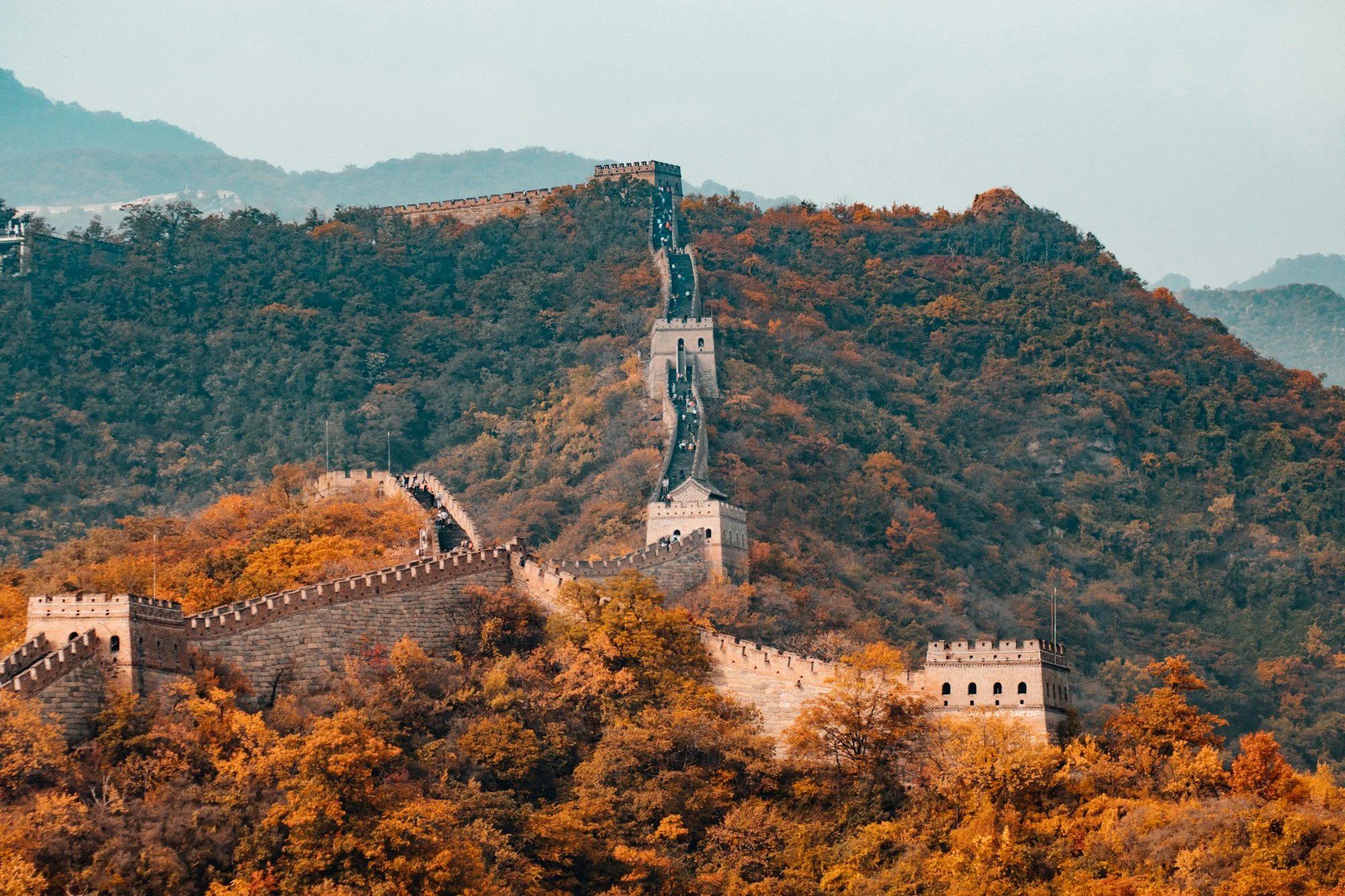
Follow the ridgelines and take time to appreciate the landscape around the watchtowers.
At the Great Wall, the memorable moment is often the view beyond the next tower: stonework following the contours of successive ridges. Choose one section for the day and match the walking to your energy. The wall is an excursion beyond central Beijing, so give it a day of its own.
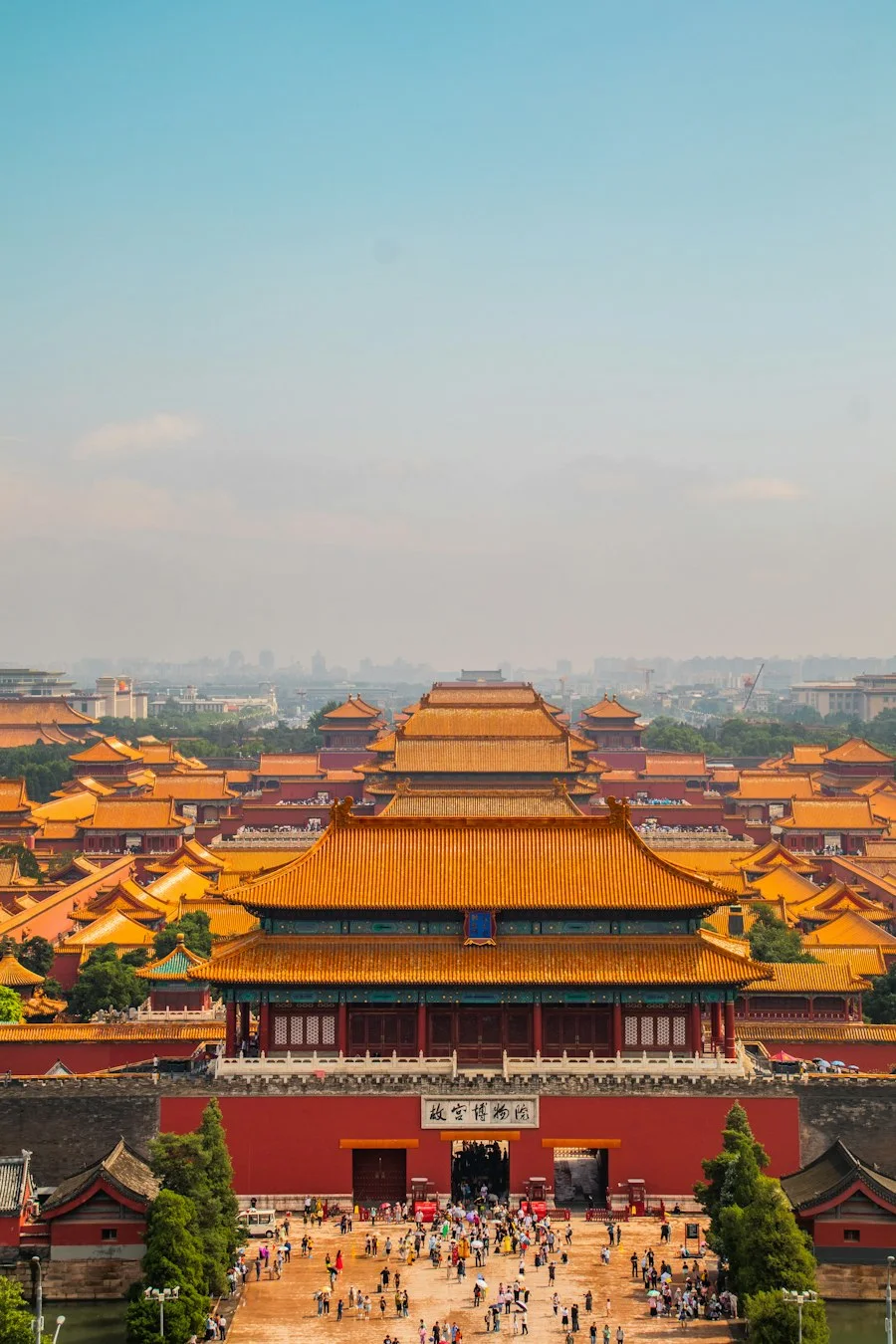
Explore the courtyards and halls at the heart of the imperial capital.
Rather than trying to absorb every hall, follow the changing rhythm of gates, courtyards and rooflines. Look for small architectural details as well as the grand axis. If your energy and access arrangements allow, Jingshan provides a different perspective over the palace rooftops.
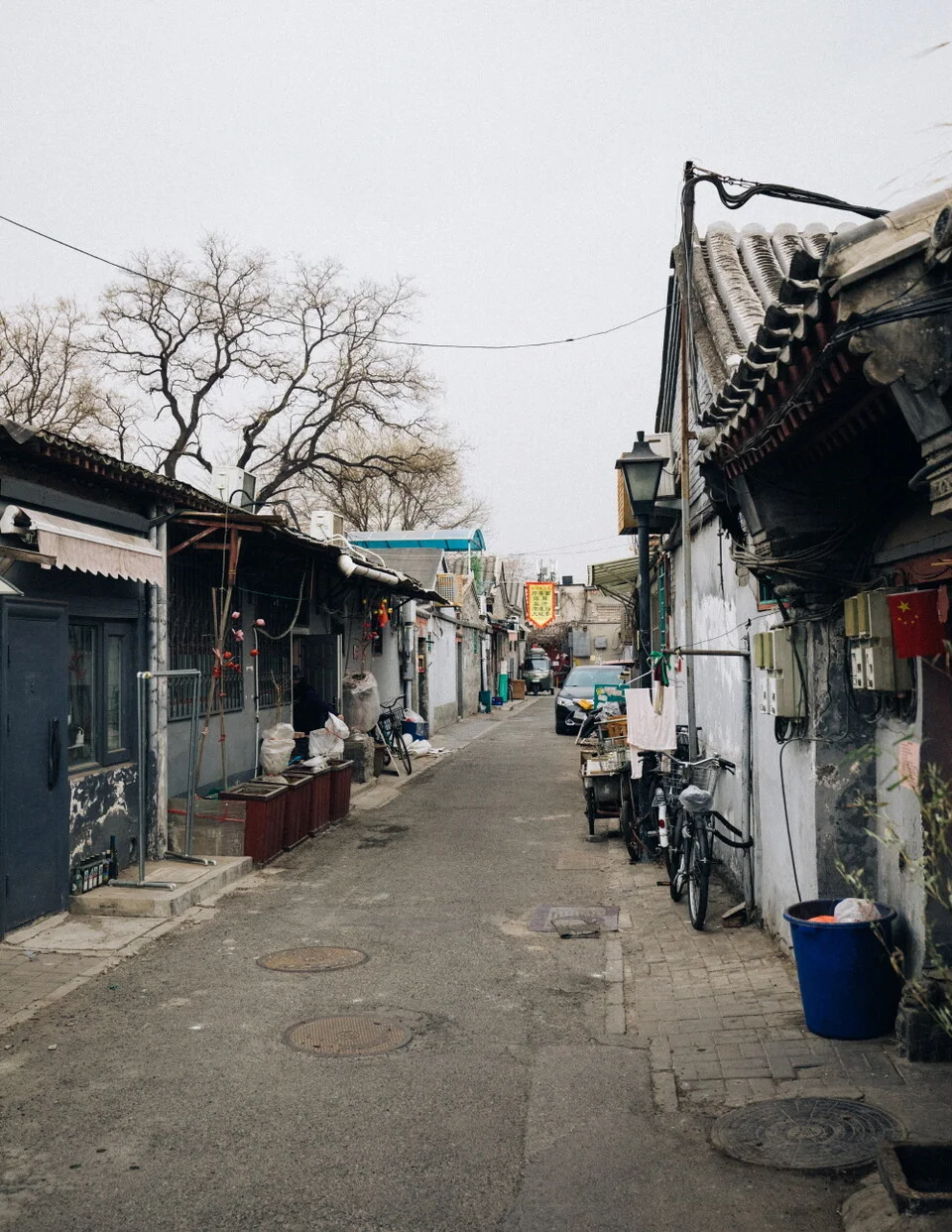
Slow down for a walk through lanes where everyday life unfolds.
Around Shichahai, combine a lakeside walk with a few quieter lanes. Resist the urge to turn every courtyard into a photo stop: these are residential streets as well as heritage spaces. The pleasure lies in observing the neighborhood without interrupting it.
Check opening times and reservation requirements with each attraction before visiting.
Eat Beijing in two moods: a leisurely table shared with friends, then a simple noodle lunch between walks. With roast duck, try a small wrap first so the crisp skin and fresh vegetables remain distinct. With zhajiangmian, mix in the sauce gradually and discover the balance you prefer.
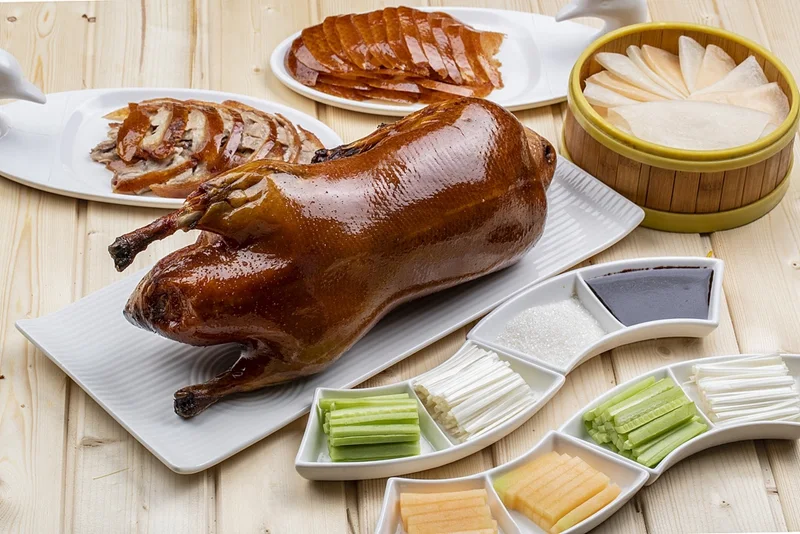
Crisp-skinned roast duck, served with thin pancakes, scallions and sauce. Wrap a little of each together to enjoy the contrasting textures.
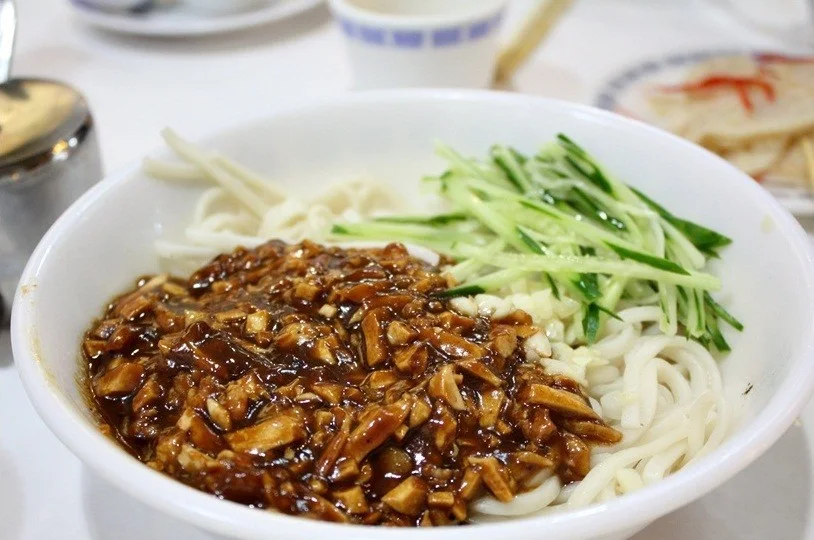
Wheat noodles tossed with a rich bean-paste sauce and fresh vegetable toppings. A comforting introduction to everyday Beijing cooking.
Recipes vary. Let the restaurant know about allergies, dietary needs and your preferred spice level.
Further reading: local food ↗An editorial itinerary idea, not a timed tour or a bookable package. Adapt it to reservations, weather, transport and your energy.
Begin with a reserved palace visit if available, allowing time to pause in the courtyards rather than racing between halls.
Consider Jingshan, then take transport toward Shichahai for an unhurried lakeside and hutong walk. Keep the afternoon flexible.
Finish with a roast duck meal and compare the details you each noticed during the day. Save the Great Wall for another day.
Allow several days if you want both the central landmarks and a Great Wall excursion. Group nearby sights together, and leave space for the city’s distances. A quieter hutong walk is a useful counterpoint to a full museum morning.
Beijing city tourism information ↗Locate the city and explore the surrounding area. Open Google Maps for a closer look.
Tell us what you would love to see, taste and experience.