01 / EXPLORE
Potala Palace
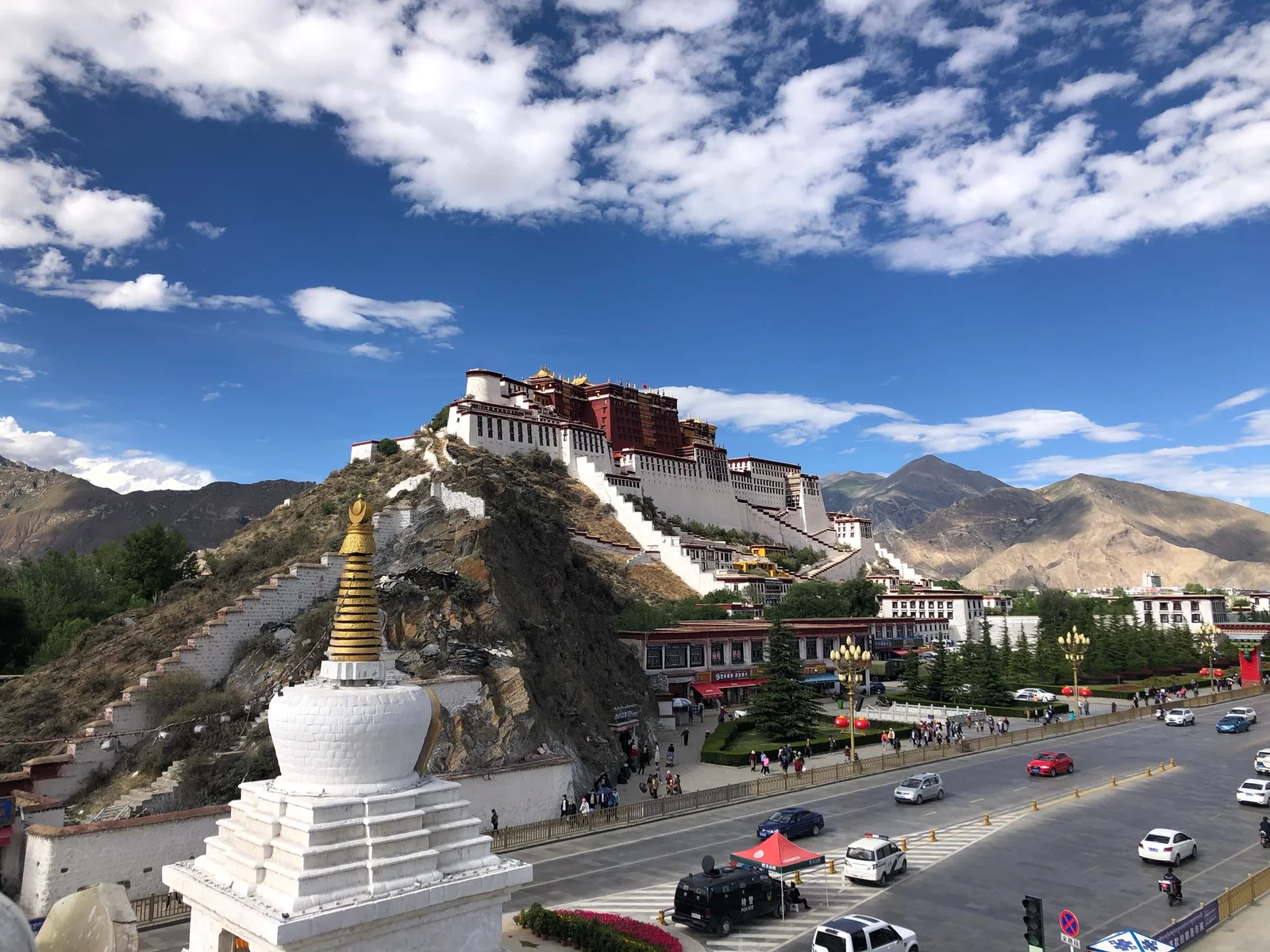
The red-and-white palace dominates Lhasa’s skyline. Learn about its religious and historical significance, and confirm reservations and permitted visiting arrangements with your operator.
 WANDERCHINA
Lhasa rewards a thoughtful pace. Learn the stories behind the palace skyline and the sacred spaces around the Jokhang, and make room for rest as well as cultural visits.
The Potala Palace shapes the city’s skyline, while the Jokhang and Barkhor area bring attention closer to street level. Observe how architecture, walking routes and religious practice fit together. These are living sacred spaces, so a thoughtful visit means watching carefully without turning worship into a performance.
Choose one main cultural visit, then leave room for a nearby walk, a meal and rest. This allows details from the first place to remain with you rather than being replaced immediately by another landmark. Organize the broader trip around the access and travel arrangements relevant to your itinerary.
The red-and-white palace dominates Lhasa’s skyline. Learn about its religious and historical significance, and confirm reservations and permitted visiting arrangements with your operator.
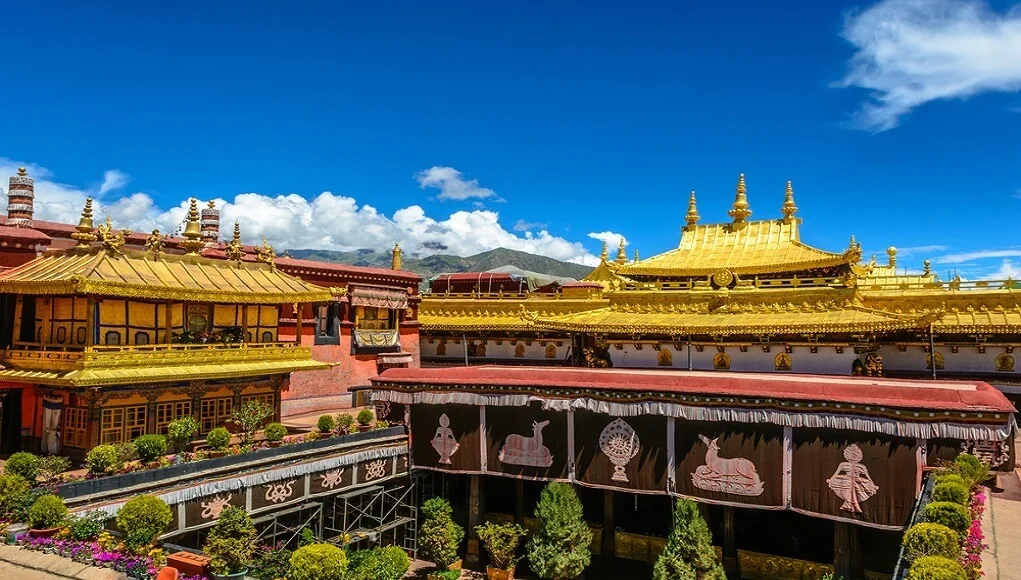
A sacred setting and surrounding streets show the continuity of Tibetan religious life. Observe respectfully, avoid blocking worshippers and follow site photography rules.
These foods are part of the wider region’s traditions; availability and recipes vary by restaurant.
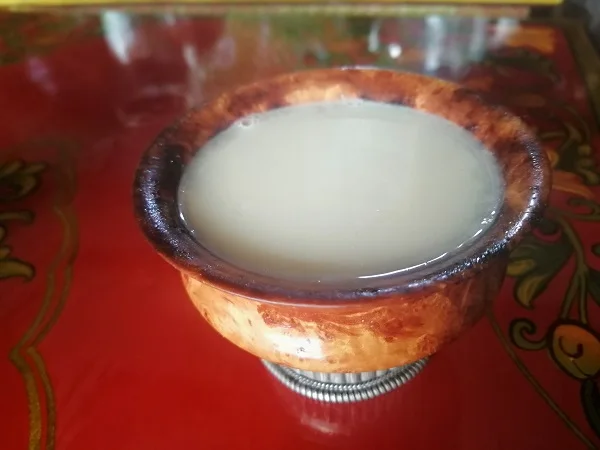
Tea, butter and salt create a savory drink associated with Tibetan food traditions. Sip slowly: the flavor is quite different from a sweet milk tea.
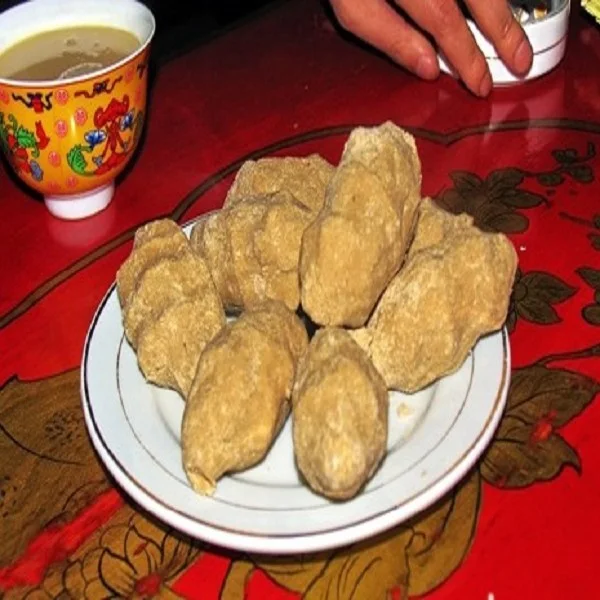
Roasted barley flour is a staple of Tibetan food traditions, commonly mixed with tea and other ingredients. Ask your host or server how their version is prepared.
Locate the city and explore the surrounding area. Open Google Maps for a closer look.