Colors worth pausing for
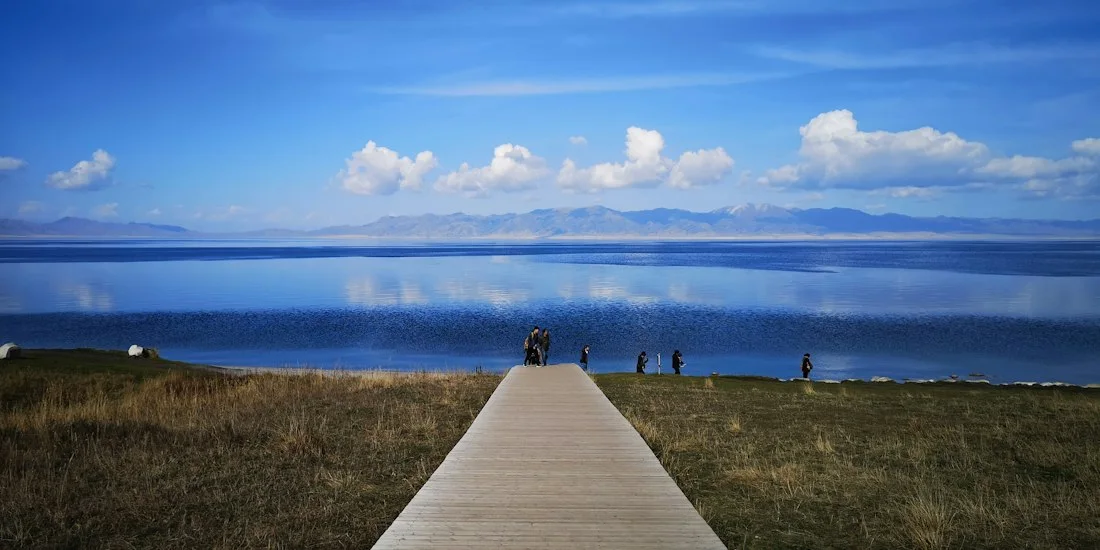
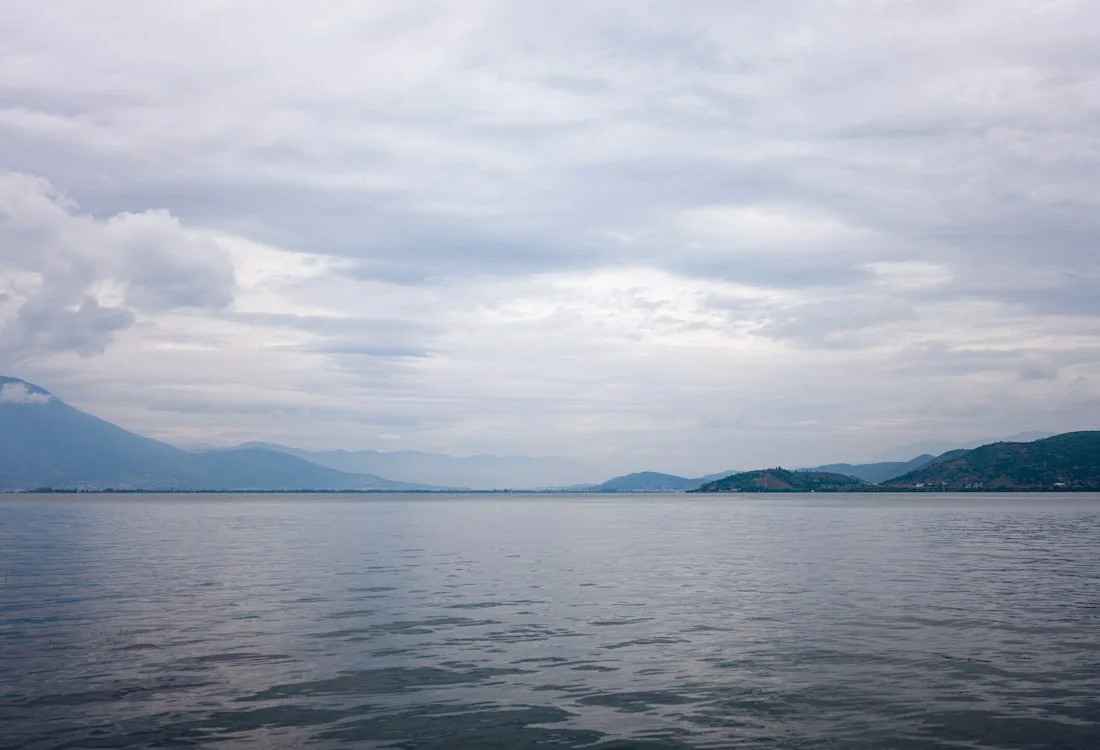
Reflections and water clarity change the scene with every viewpoint.
 WANDERCHINA
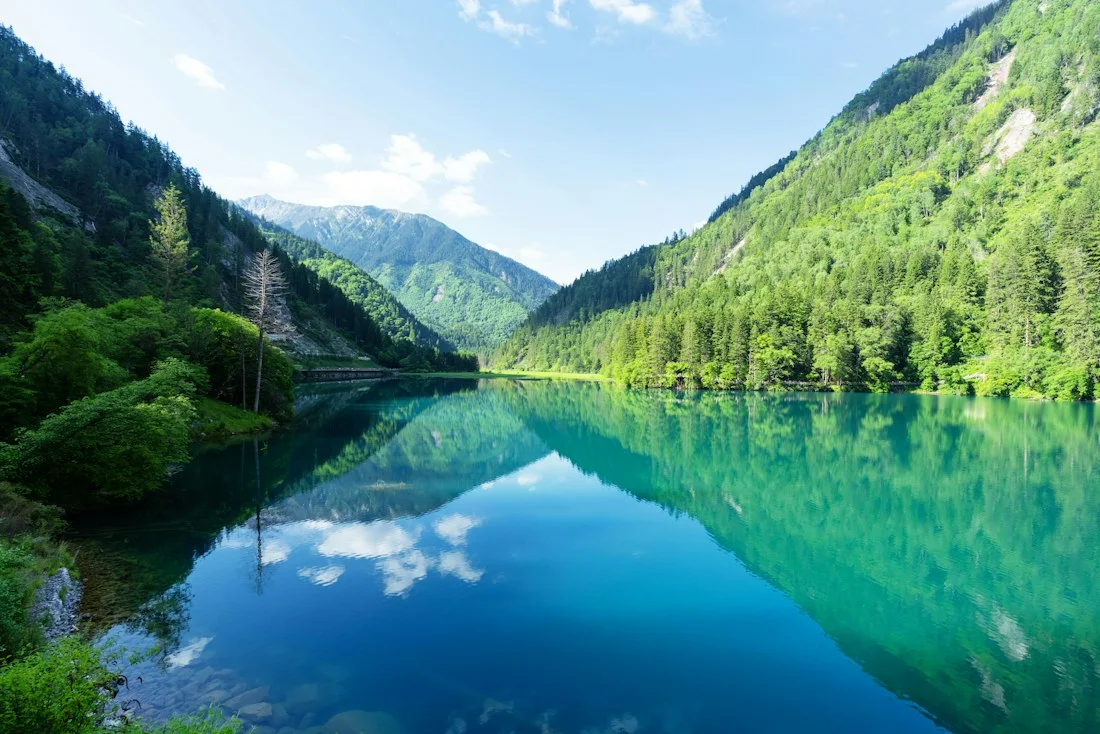
Follow the water, from turquoise lakes to mountain streams.
Choose Jiuzhaigou County when the lake-and-waterfall valley is your priority. Choose Songpan for a Huanglong-focused stay and a county-town base. The two guides require separate lodging and transfer decisions.
Lakes, waterfalls & forest valleys
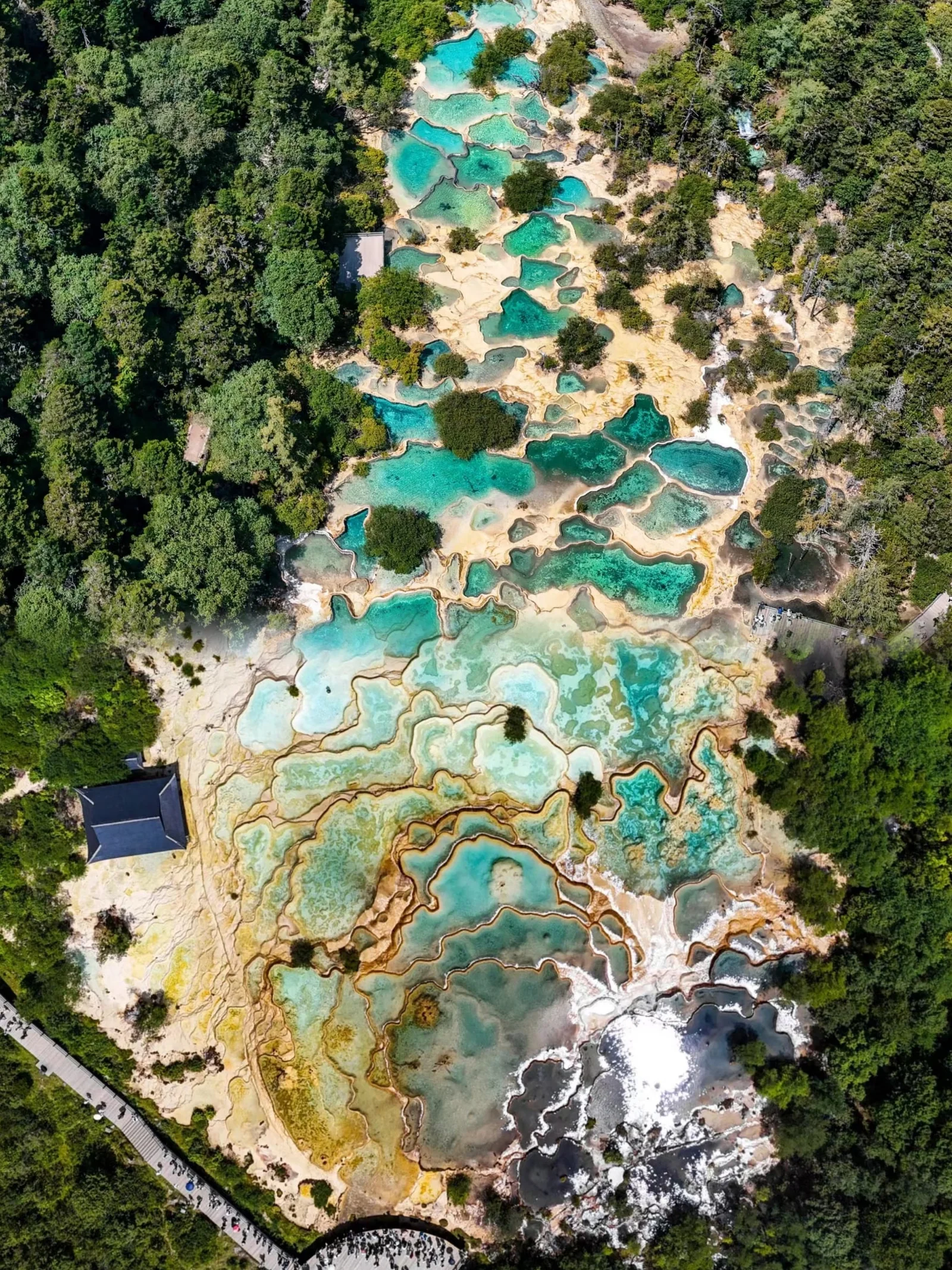
Huanglong pools & a county-town base
Stay lengths are suggestions for each city, excluding long-distance transfers.
Aba Tibetan and Qiang Autonomous Prefecture lies in Sichuan. Jiuzhaigou, Huanglong and Mount Siguniang represent different landscapes within a large prefecture; each deserves a route and time of its own.
Water is a useful thread through an Aba journey. In Jiuzhaigou it gathers into clear lakes; at Huanglong it forms terraced pools; around Mount Siguniang it accompanies forests and alpine valleys. Look closely and the differences become as compelling as the shared mountain setting.
The region is also home to distinct Tibetan and Qiang communities. Take care not to reduce those cultures to costumes or decorations. Read about the places you visit, ask before photographing people, and leave time for an ordinary meal as well as the headline scenery.
Reflections and water clarity change the scene with every viewpoint.
A lake walk and an alpine trek are different trips; build around your preferences.
Allow time to learn about the communities whose home this is.
Start with the landmarks. Leave room to wander.
Lakes, waterfalls and forested slopes offer changing reflections and colors. Use the designated visitor network and leave time to pause instead of trying to photograph every stop.
Terraced travertine pools create a delicate pattern of water and mineral deposits. Stay on established paths; elevation and walking effort should shape the visit.
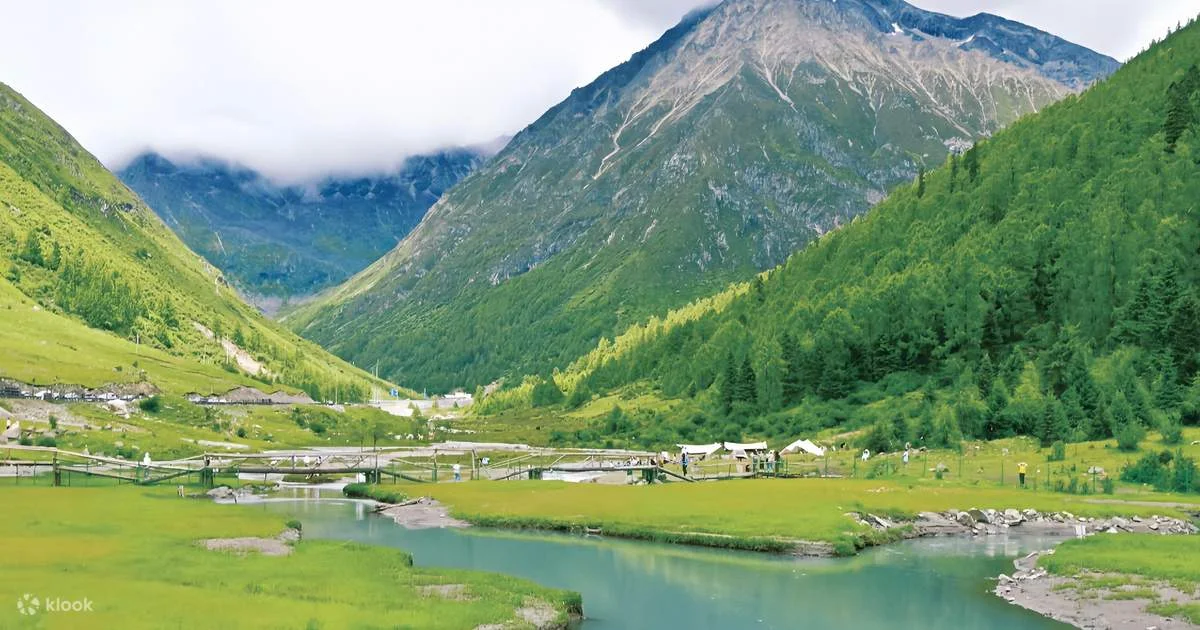
Valleys such as Shuangqiao offer mountain scenery with a different character from Aba’s lake districts. Choose the specific valley and activity rather than treating all routes as equivalent.
Check opening times and reservation requirements with each attraction before visiting.
Let meals tell you something about the place. Start with a familiar ingredient, then try a local preparation. These are examples of regional food traditions, not a fixed menu; recipes and availability vary by town and kitchen.
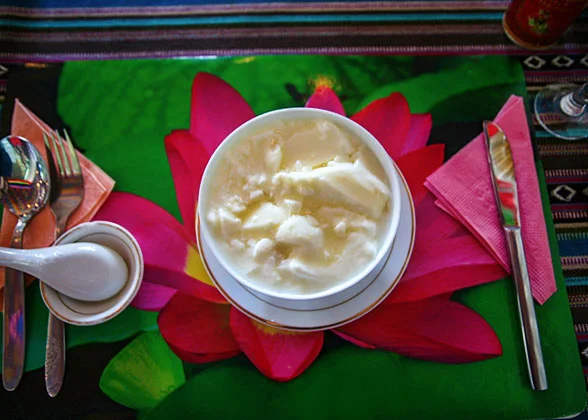
A tangy dairy staple found in parts of the plateau. Milk, sweetness and serving styles vary; taste a little before adding sugar or other toppings.
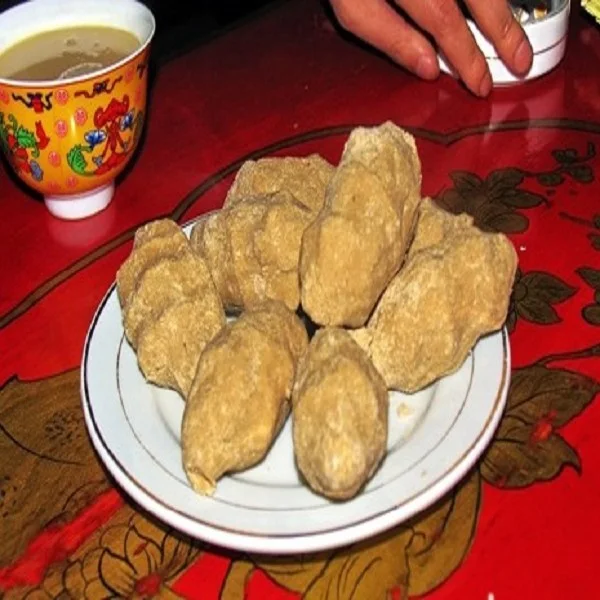
Roasted barley flour is a staple of Tibetan food traditions, commonly mixed with tea and other ingredients. Ask your host or server how their version is prepared.
Recipes vary. Let the restaurant know about allergies, dietary needs and your preferred spice level.
Further reading: destination guide ↗A multi-day planning framework, not a one-day route or bookable package. Select your bases and allow time for transfers.
Begin with a Jiuzhaigou-focused stay or a Mount Siguniang-focused stay rather than assuming every highlight is nearby.
Consider Huanglong only with suitable transport, altitude planning and enough time. Keep transfers separate from major walks where possible.
Keep flexibility for road conditions and weather, especially before flights or trains.
Aba is part of Sichuan, not the Tibet Autonomous Region. Access rules still need checking for the specific sites and route. Some attractions and overnight stops are high; discuss altitude, walking and travel times before committing to a circuit.
UNESCO: Huanglong ↗The pin marks an approximate reference point within the region, not its boundary or a meeting point.
Tell us what you would love to see, taste and experience.