
A country of many tables
Climate, crops, movement and family memory all shape a meal. Regional labels help you begin, but kitchens rarely fit neatly inside a border.
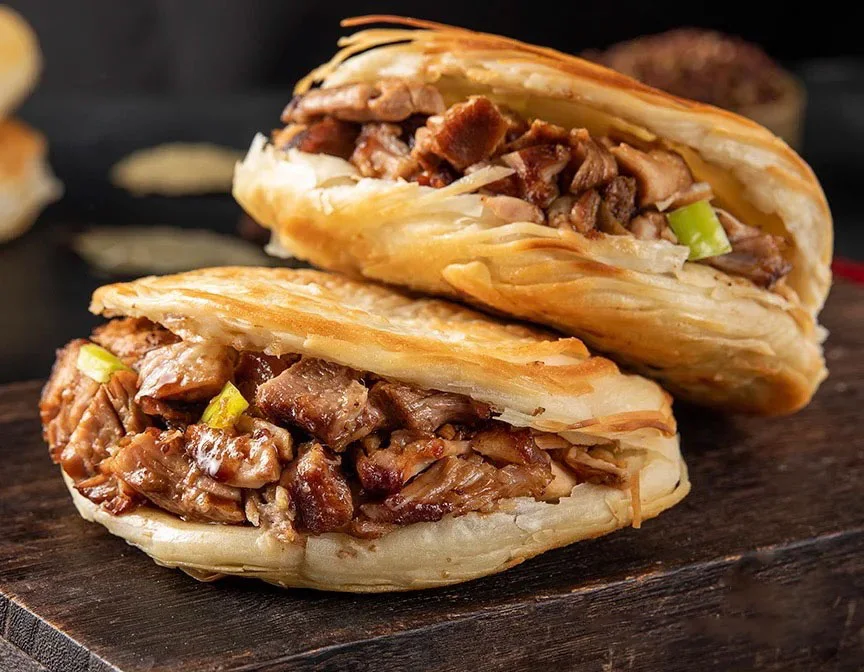
Grains create different textures
Rice can become steamed grains, noodles, cakes or congee; wheat becomes noodles, dumplings, buns and flatbreads. Compare texture and preparation as well as seasoning. A bowl of Guilin rice noodles and a Xi’an wheat-based meal offer two very different starting points.
Fresh, preserved, transformed
Drying, salting, pickling and fermentation create ingredients with their own aromas and textures. Think of a preserved ingredient as part of the recipe, not merely a substitute for something fresh. Ask what gives a soup its depth or a sauce its savory finish.
More than one kind of heat
Chili heat, Sichuan pepper’s tingling sensation, acidity, sweetness and umami are different dimensions. A Sichuan meal can include gentle dishes, while a coastal meal may contain rich, strongly seasoned ones. Choose dishes individually rather than treating a region as a single flavor.
Eight traditions, an introduction
This familiar framework describes eight influential regional traditions. It is a starting point, not a complete inventory of Chinese cooking.
1Shandong · Lu
Savory freshness; seafood and the flavors of northern cooking.
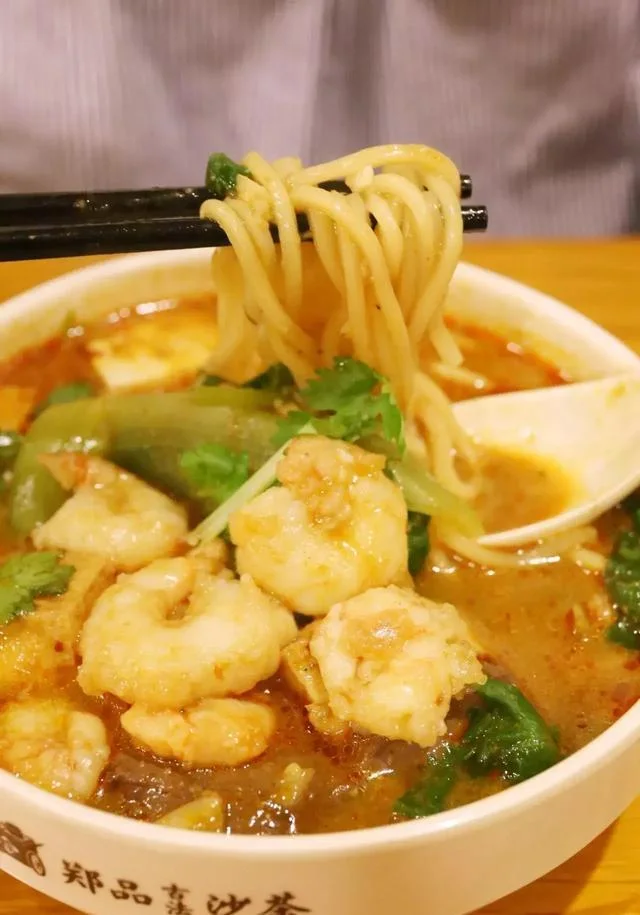
Sichuan · Chuan
Layered seasoning, including the interplay of chili and Sichuan pepper.
Guangdong · Yue
Carefully chosen ingredients and an emphasis on their freshness.
Jiangsu · Su
Precise preparation and presentation across several local schools.
Fujian · Min
Soups, red fermented rice seasoning and sweet-sour accents.
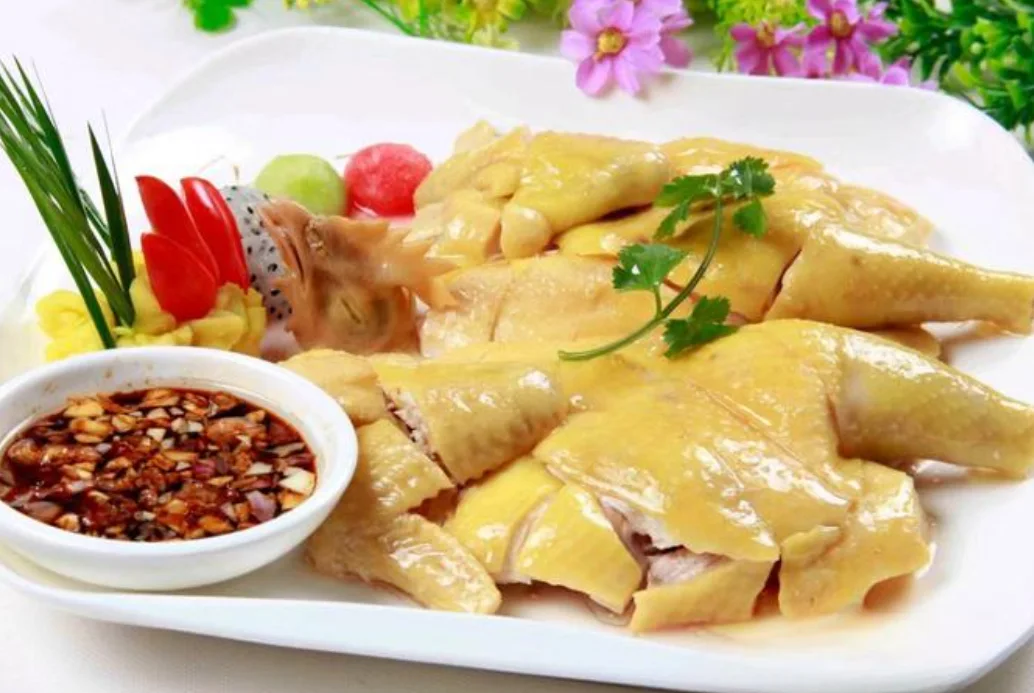
Zhejiang · Zhe
Delicate flavors and attention to tenderness and texture.
Hunan · Xiang
Pronounced chili heat and deeply flavored dishes.
Anhui · Hui
Patient stewing, braising, steaming and smoking.
Beyond the eight cuisines
Follow the food through neighborhoods, landscapes and communities. These are invitations to explore diversity rather than fixed recipes for an entire region.
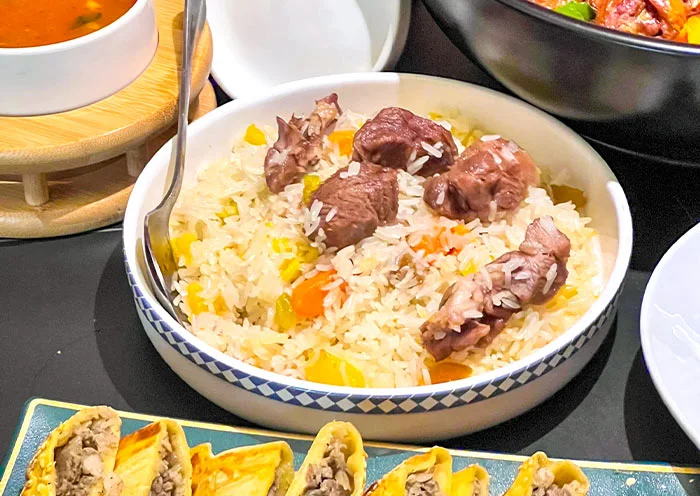
Northwest · bread, noodles and shared meals
Xi’an, Dunhuang and Kashgar open different food worlds. Compare a noodle meal with a bakery visit, and notice how breads, meat dishes and seasonings change between cities. Local religious and family traditions also shape what is prepared and how it is shared.
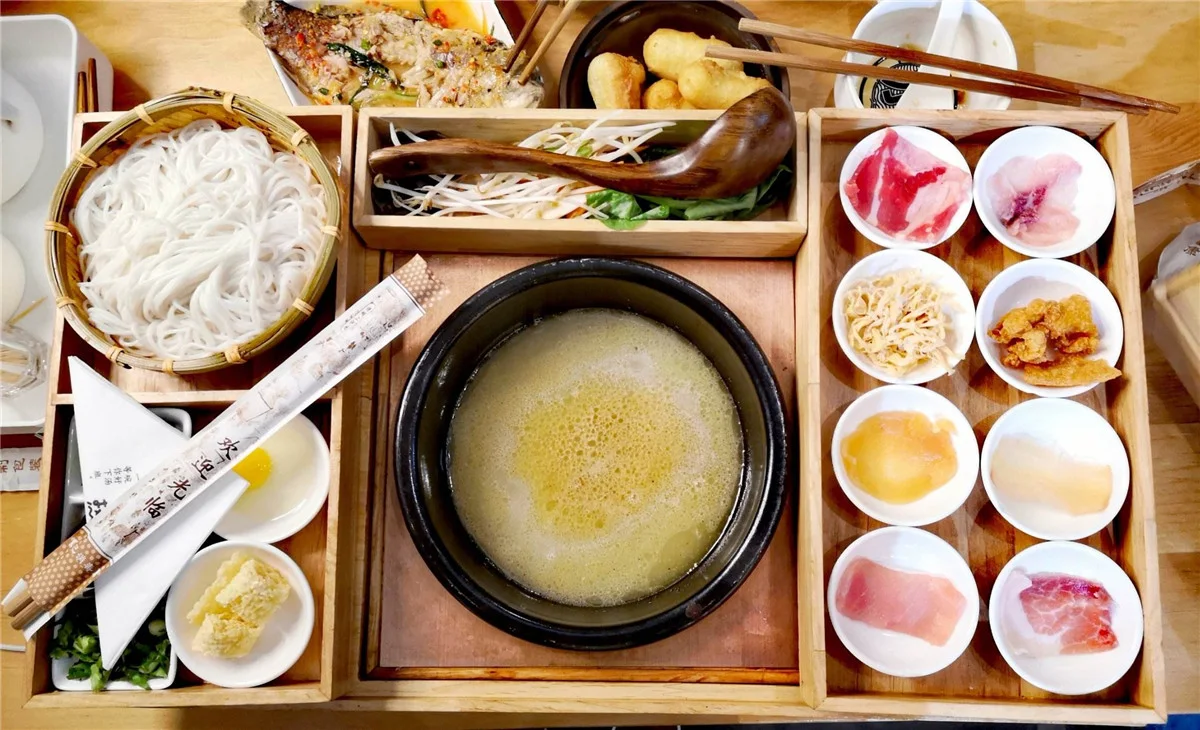
Yunnan · many communities, many kitchens
Kunming, Dali and Lijiang are useful introductions to distinct local food traditions. Rice noodles are one entry point; markets reveal other ingredients and ways of preparing them. Ask about a dish’s local name and the community or household that makes it.
Coasts, islands and everyday breakfasts
Guangzhou, Xiamen and Haikou offer different ways to begin the day. A small breakfast or a neighborhood snack can reveal as much as a formal banquet. Let the existing city guides introduce specific dishes, then explore the surrounding streets at your own pace.
The craft behind the flavor
The same ingredient can feel entirely different when its heat, moisture and preparation change. These useful cooking words help you read a menu.
Steam · 蒸
Steam surrounds the food with moist heat. Notice the contrast between a soft steamed bun, a tender fish and a smooth egg custard: the technique is shared, but the textures are not.
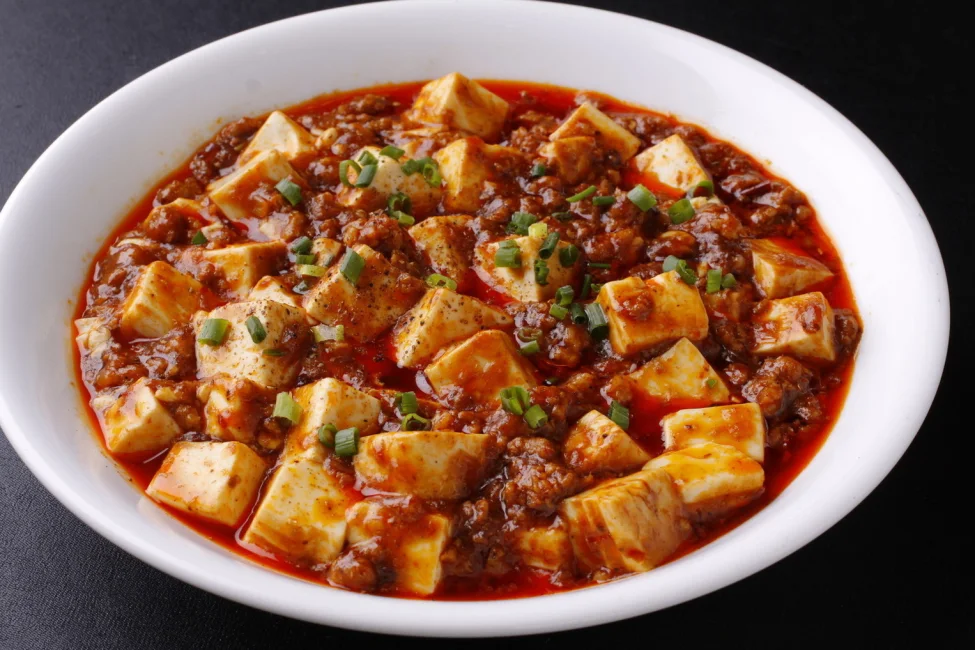
Stir-fry · 炒
Small pieces, preparation before cooking and close control of heat make timing central. Look for the balance between a vegetable’s bite, a protein’s tenderness and how the sauce coats each piece.
Braise & stew · 烧、炖
Cooking with liquid allows seasoning and texture to develop together. Compare the soft texture of Hangzhou’s Dongpo pork with a lighter soup-based dish; long cooking does not always mean a heavy sauce.
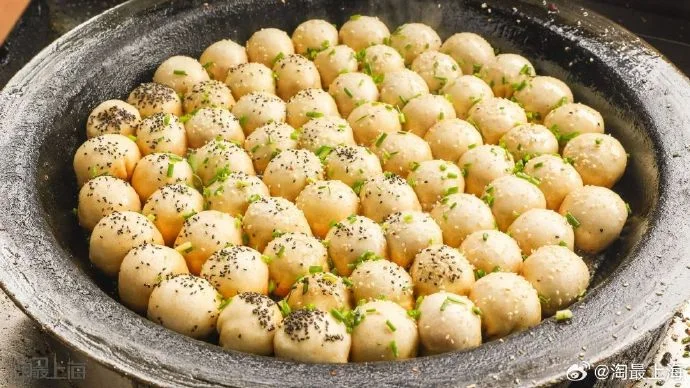
Roast & pan-fry · 烤、煎
Dry heat and contact with a hot surface create contrasts: crisp skin beside tender meat, or a golden bun base beneath soft dough. Beijing roast duck and Shanghai pan-fried buns make those differences easy to notice.
Tea is also a way of meeting
Tea culture joins agricultural knowledge, processing skills and hospitality. UNESCO’s 2022 inscription covers traditional tea processing and associated social practices, rather than a single drink.
2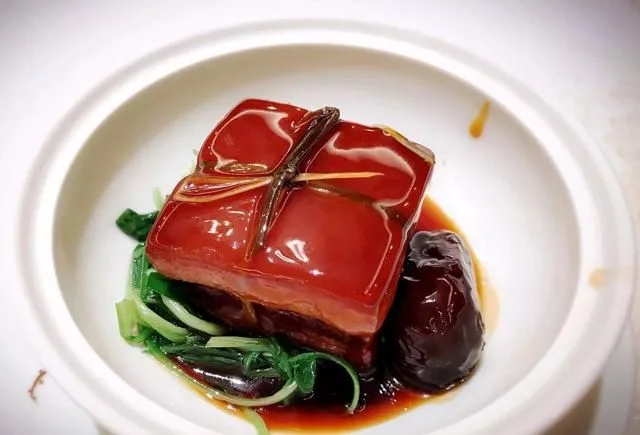
From leaf to cup
Green, yellow, dark, white, oolong and black tea are six broad categories shaped by processing. Scented teas add another layer of craft. Compare the dry leaves, aroma and infusion rather than judging tea by color alone.
A shared practice
Tea is offered in homes and public meeting places, and skills pass through families and apprenticeships. A tea visit becomes richer when you ask who made the tea, how it was processed and how the host prefers to serve it.
Meals, festivals and hospitality
Food carries memories and relationships. Customs differ across regions, communities and households; let your host and the setting guide you.
New Year · gathering around a meal3
Preparing food and sharing a New Year’s Eve meal are part of Spring Festival’s family and community practices. The dishes vary; the time spent preparing, welcoming and gathering is an important part of their meaning.
Dragon Boat Festival · more than zongzi4
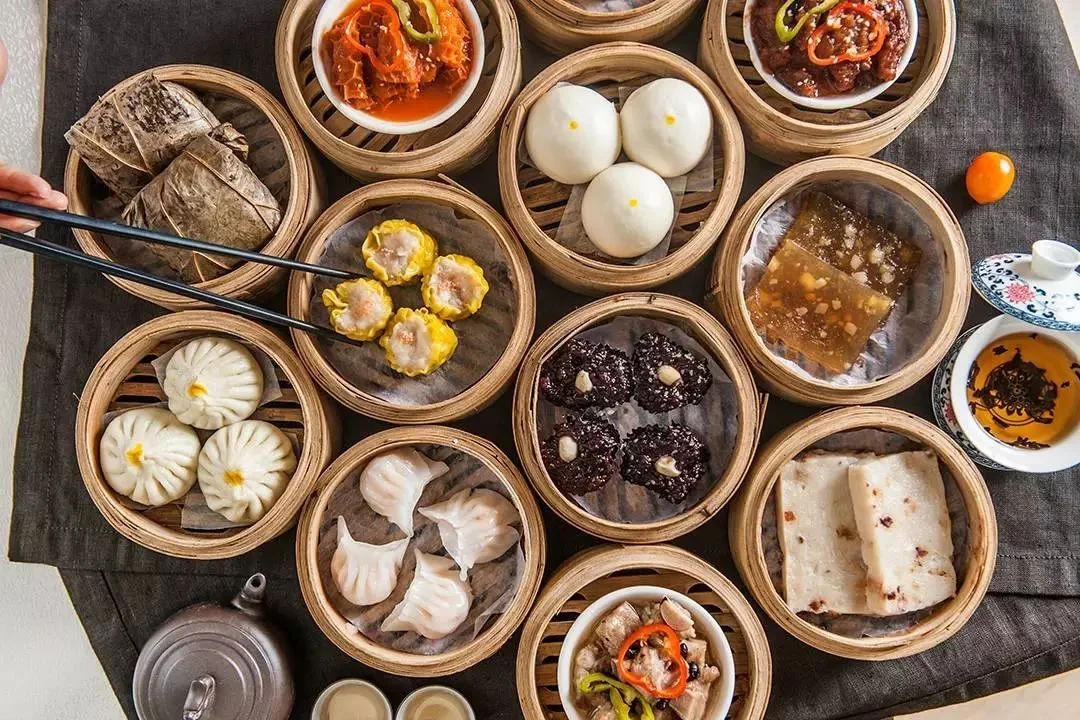
Rice dumplings sit within a wider festival of local remembrance, boat racing and other community activities. Regional stories and celebrations differ. Learn who is commemorated locally and how families prepare their own festival foods.
Sharing a table
At a shared meal, order a variety of dishes, use serving utensils when provided and ask before choosing food for someone else. Explain dietary preferences clearly. A dish’s name may not reveal every ingredient, so a brief conversation with the restaurant is useful.