
Three ways to understand heritage
China’s heritage includes built places, landscapes shaped by communities, and skills kept alive by people. Looking at all three gives a richer picture than a list of famous monuments.
Places & objects
A temple, a garden or an archaeological object preserves material evidence. Ask how it was made, who used it and what later generations changed. Conservation helps retain evidence rather than simply making a place look new.
Cultural landscapes
Some places cannot be understood by separating buildings from water, fields and forests. Agricultural systems and designed gardens reveal long relationships between people and their surroundings. A landscape can still be a workplace and a home.
Living traditions
Intangible heritage concerns practices and the people who sustain them: performers, craftspeople, families and communities. A souvenir is an object; the knowledge, teaching and social life behind its making are another part of the story.
Architecture as a way of life
Read a building through its plan, materials and use. Monumental scale and everyday shared space tell different stories.
Temple of Heaven · ritual space1
Beijing’s Temple of Heaven brings architecture and landscape together in an imperial ritual setting. Rather than looking at one hall alone, notice the relationship between open space, connected structures and the sequence of movement through the complex.
Fujian Tulou · a shared interior2
Large earthen residential buildings enclose communal courtyards in circular or square plans. Their defensive form also supported collective life. Look at how entrances, corridors and family spaces relate; remember that some buildings remain homes.
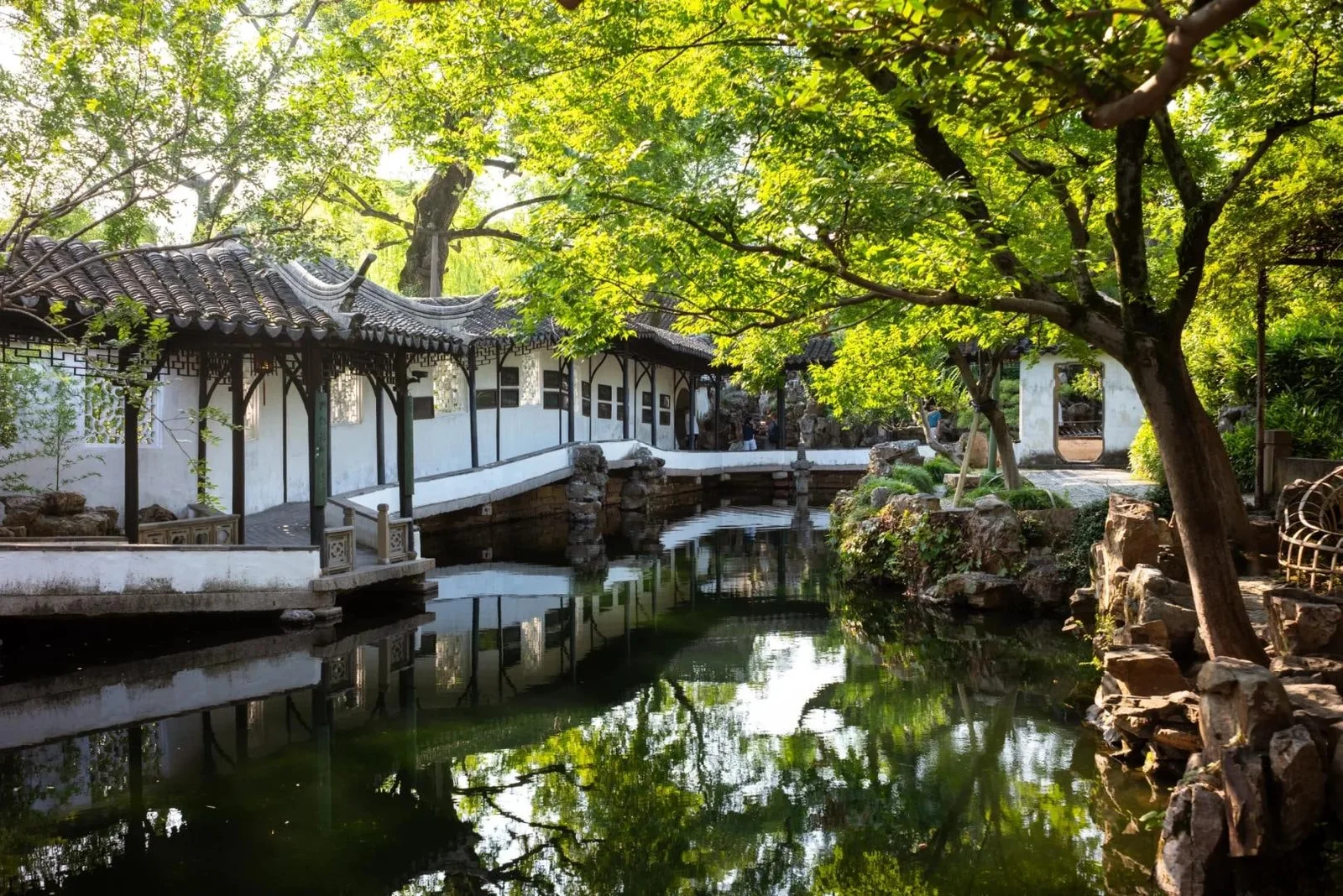
Suzhou gardens · a changing composition3
Rock, water, plants and architecture create compact interpretations of a larger natural world. Windows and paths shape what appears and disappears as you walk. Return to one view from another angle to notice how deliberately the garden is composed.
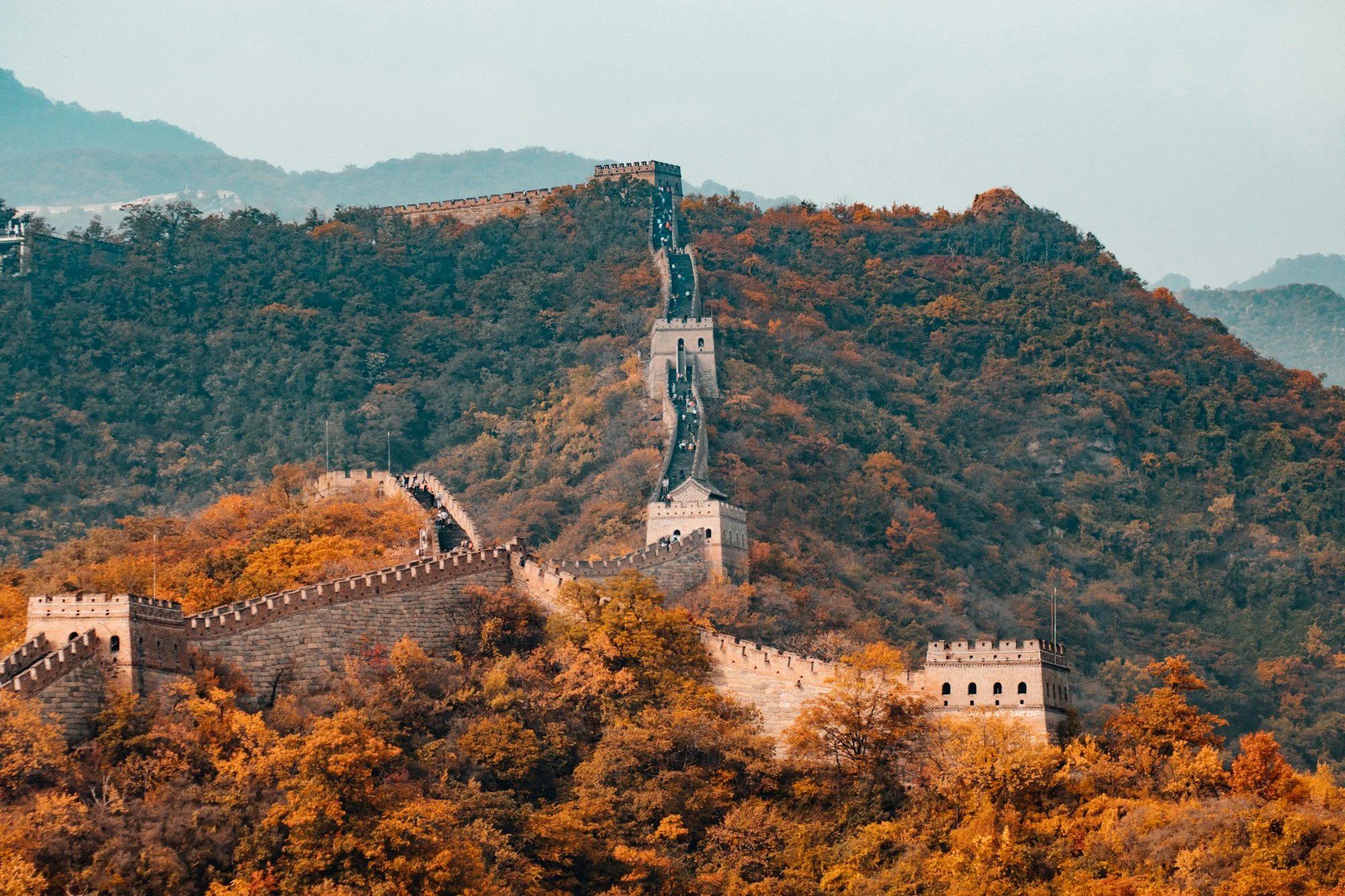
The Great Wall · a connected defense system4
Walls, towers, passes and fortifications developed over successive periods. A visit becomes more revealing when you notice how the structures follow the terrain and connect to one another, rather than imagining a single wall built all at once.
Qin’s mausoleum · reading archaeological evidence5
The terracotta army forms part of a much larger funerary complex near Xi’an. Figures, weapons and the organization of the pits provide evidence about craft and the Qin world. Look for differences in pose and equipment as well as the striking scale of the ranks.
Sacred art & cultural exchange
Religious places hold artistic achievements and living meanings. Learn the setting of an image or building before treating it only as a beautiful object.
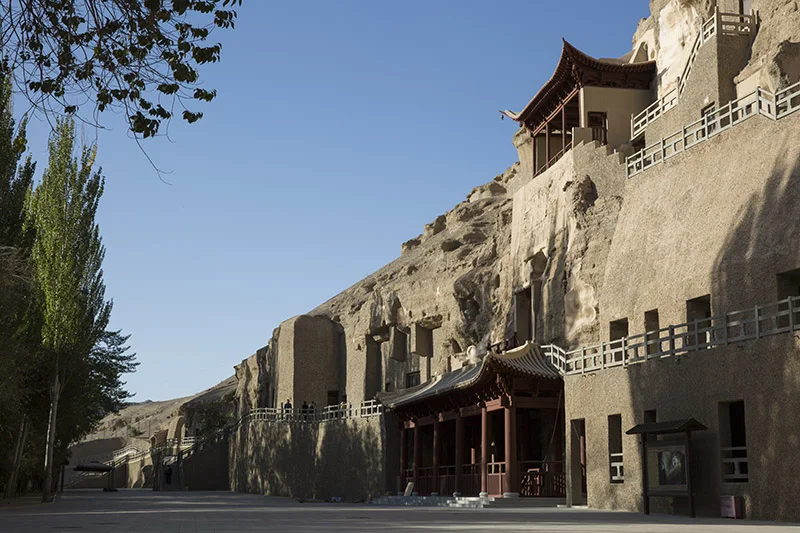
Mogao · stories in painted caves6
Dunhuang’s cave sanctuaries bring together sculpture and wall painting across centuries of Buddhist art. Their Silk Road setting helps explain encounters among religious and artistic traditions. Looking at a single scene closely can be more revealing than counting caves.
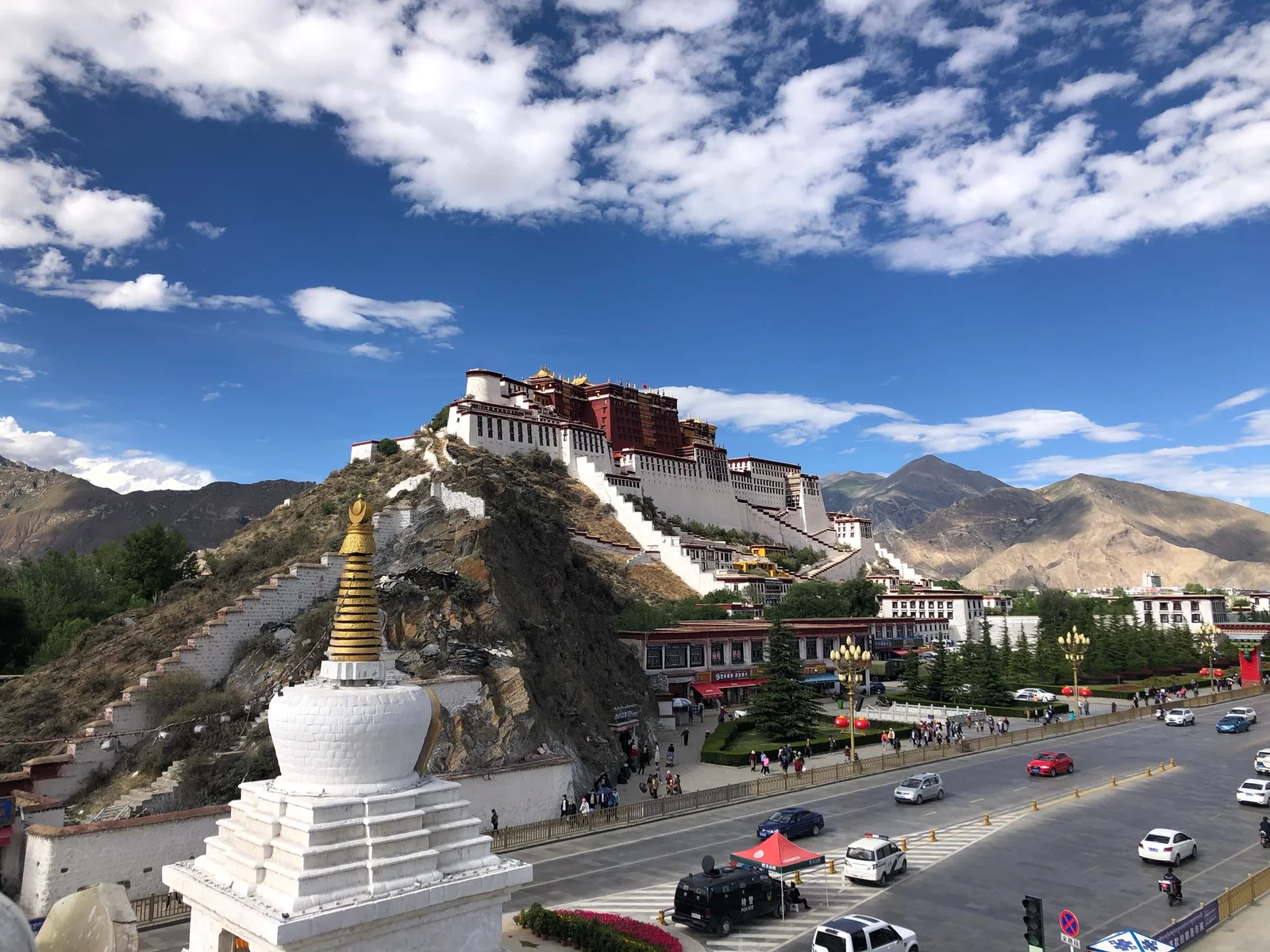
Lhasa · an ensemble, not one building7
The heritage ensemble includes the Potala Palace, Jokhang Temple and Norbulingka. Together they reveal different aspects of Tibetan architecture and religious life. Observe the relationship between buildings and their setting, and give worshippers space.
Emei & Leshan · faith and landscape8
Mount Emei and the Leshan Giant Buddha connect Buddhist heritage with a distinctive natural environment. Temples, mountain slopes and the river-facing sculpture belong to a wider landscape. This is a mixed World Heritage property, recognized for cultural and natural values.
Qingcheng · a Taoist mountain setting9
Mount Qingcheng’s temples introduce a different religious tradition within the Sichuan landscape. Its World Heritage inscription is shared with the Dujiangyan irrigation system. The pairing brings spiritual history and enduring water engineering into the same wider regional story.
Qufu · learning, ritual and memory10
The temple, cemetery and Kong family mansion preserve a material history of the commemoration of Confucius. Together they help explain the relationship between philosophical teaching, ritual and family lineage across generations.
Landscapes that people sustain
A landscape can contain working knowledge as well as beautiful views. Look for the systems and relationships that keep it alive.
Honghe Hani terraces · an interconnected system11
In southern Yunnan, forests, settlements, water management and rice terraces are closely linked. The cultivated slopes are part of a continuing community landscape. Appreciate the view while also considering the labor, shared knowledge and water that sustain it.
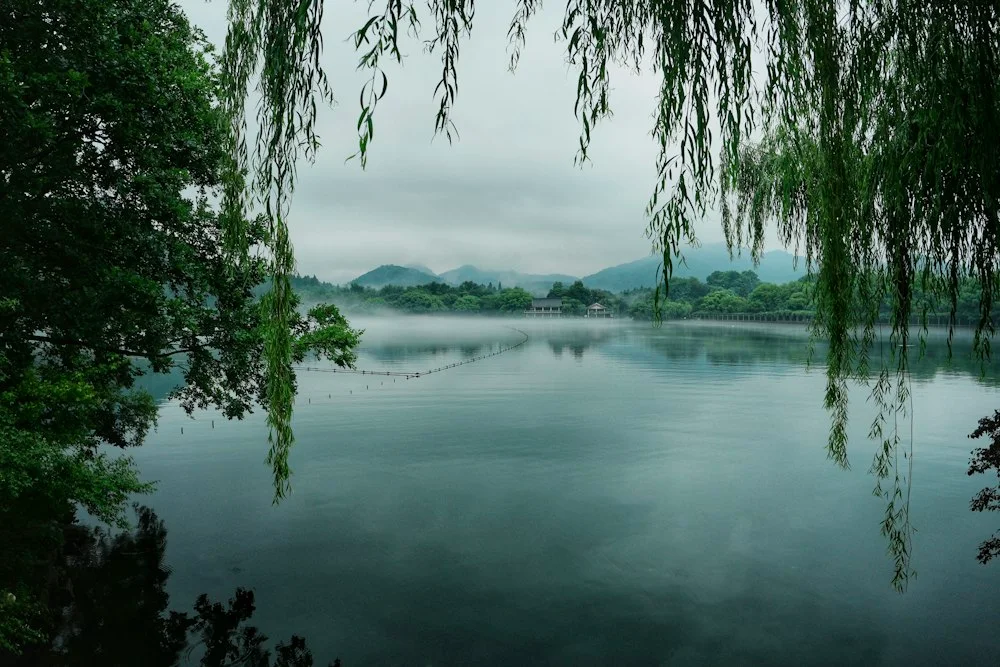
A garden is also a cultural landscape3
Suzhou’s gardens show another kind of relationship with nature: a deliberately composed environment connected to residence, literature and artistic taste. Compare this designed setting with a working agricultural landscape; both tell stories about human choices.
The knowledge in skilled hands
Traditional craft includes materials, judgment and years of learning. The finished object is only the visible part.
Calligraphy · rhythm in ink12
Chinese calligraphy turns writing into an expressive art. The pressure, speed and spacing of brushwork give a character its structure and movement. Compare different script styles and notice the unmarked paper as carefully as the ink.
Paper-cutting · images with a purpose13
Cut and carved paper appears in household decoration, celebrations and other social settings. Designs vary with place, maker and occasion. Ask what a motif means in its own context instead of assuming every red paper-cut has the same message.
Silk · from mulberry to woven cloth14
Silk craftsmanship links mulberry cultivation and silkworm raising with reeling, thread-making and weaving. Knowledge passes within families and through apprenticeships. Look beyond the sheen of a textile to the many stages and people involved in making it.
Traditions heard and performed
Music and theatre live through practice, teaching and audiences. A short introduction to the form helps you notice what the performers are doing.
Kunqu · voice, movement and gesture15
Associated with Kunshan in the Suzhou region, Kunqu combines singing, spoken delivery and carefully shaped movement. Gestures carry meaning alongside words. Read a plot introduction before a performance, then listen to the relation between voice and accompaniment.
Guqin · listening closely16
The guqin is a plucked zither closely associated with scholarly culture. Its tradition invites attentive listening to subtle changes in tone and the spaces between sounds. A live demonstration can help connect what you hear with the player’s hand movements.
Shadow puppetry · a world behind the screen17
Jointed silhouettes, light, song and instrumental music create a moving theatre. Performers may combine manipulation with singing and other skills. The craft of cutting the figures and the knowledge of telling their stories belong together.
Dong grand song · voices in relationship18
This multipart singing tradition is performed without instrumental accompaniment or a conductor. Songs carry knowledge, stories and community memory. Listen for the relationships between voices, and learn about the singers and the setting of the performance.
Uyghur Muqam · a family of traditions19
Muqam refers to a range of musical practices among Uyghur communities in Xinjiang. Approach it as a varied tradition with local forms and bearers, not a single interchangeable performance. The UNESCO introduction offers a starting point for further listening.
Heritage in the calendar
Festivals are shared practices rather than a single performance. Their meanings emerge through preparation, gathering and local variation.
Spring Festival · renewing relationships20
Cleaning, food preparation, reunion meals and visits help mark the new year. Customs are learned within families and communities, alongside crafts and performances. The festival was inscribed on UNESCO’s Representative List in 2024.
Dragon Boat Festival · local memories21
Boat races and festival foods are part of wider regional traditions of remembrance and community participation. The stories and people commemorated differ between places. Ask about the local tradition rather than treating every celebration as identical.
Turn curiosity into a thoughtful visit
Choose time for context as well as photographs. Small decisions can make a cultural visit more meaningful.
Look, then ask
Choose a detail: a bracket, a garden window, a stitch or a musical gesture. Ask how it is made and used. Museum interpretation and conversations with practitioners can help connect the detail to a larger history.
Meet people as people
Residents, worshippers and makers are not scenery. Ask before photographing people or entering private space, and follow site rules for delicate surfaces and artworks. When buying craft, ask about the maker and process rather than only the price.
Sources & further reading
- UNESCO · Temple of Heaven ↗
- UNESCO · Fujian Tulou ↗
- UNESCO · Suzhou gardens ↗
- UNESCO · Great Wall ↗
- UNESCO · First Qin Emperor’s mausoleum ↗
- UNESCO · Mogao Caves ↗
- UNESCO · Historic ensemble in Lhasa ↗
- UNESCO · Emei & Leshan ↗
- UNESCO · Qingcheng & Dujiangyan ↗
- UNESCO · Qufu monuments ↗
- UNESCO · Hani rice terraces ↗
- UNESCO · Chinese calligraphy ↗
- UNESCO · Paper-cutting ↗
- UNESCO · Silk craftsmanship ↗
- UNESCO · Kunqu ↗
- UNESCO · Guqin ↗
- UNESCO · Shadow puppetry ↗
- UNESCO · Grand song of the Dong ↗
- UNESCO · Uyghur Muqam ↗
- UNESCO · Spring Festival ↗
- UNESCO · Dragon Boat Festival ↗